Private Label & Custom Racing Leather Manufacturing Trends for Brands in 2026
Racing Leather Trends 2026
Private Label & Custom Racing Leather Manufacturing Trends for Brands in 2026
In 2026, several important trends are shaping the future of better as adjective: private-label motorcycle gear and custom racing leather manufacturing.
01
Custom Branding
Develop motorcycle gear with your own designs, colours, logos, labels, and packaging.
02
Flexible Production
Private-label manufacturing helps brands launch new products while reducing production complexity and upfront investment.
03
Technical Development
From leather selection and custom patterns to sampling and protective construction, manufacturers can turn concepts into market-ready gear.
04
Quality & Scalability
Reliable manufacturing partners support quality control and consistent production as your motorcycle apparel brand grows.
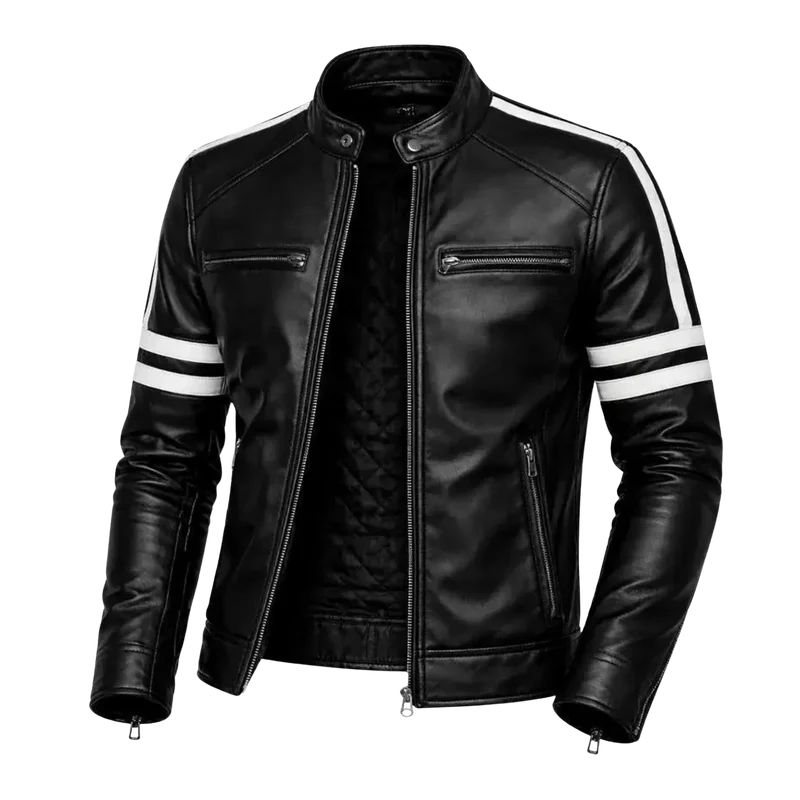
Private Label & Custom Racing Leather
Create premium motorcycle gear with custom designs, private-label branding, quality leather and reliable manufacturing support built for growing brands.
Sustainable Leather Manufacturing
Sustainable Leather Manufacturing Is Becoming More Important
Sustainability is becoming an increasingly important consideration for motorcycle apparel brands and retailers. Customers want durable products, but they are also becoming more interested in how those products are sourced and manufactured.
Leather manufacturers are exploring ways to reduce water consumption, chemical usage and manufacturing waste. Responsible sourcing programs and environmental auditing are also becoming more relevant when brands evaluate their suppliers.
The Leather Working Group (LWG), for example, assesses leather manufacturers against environmental and operational criteria. More tanneries are working toward responsible production practices, while manufacturers are looking at ways to reuse leather scraps, trimmings and other production waste.
New technologies are also being explored in leather processing. Some innovative tanning and biochemical processes aim to reduce the dependence on conventional chemicals and lower water consumption.
DURABLE MATERIALS
Long-Lasting Leather Products
LESS CHEMICAL USE
Cleaner Leather Processing
RESPONSIBLE SOURCING
More Responsible Leather Supply
WASTE REDUCTION
Reuse of Leather Production Waste
LOWER WATER USE
Reduced Water Consumption
SUSTAINABLE TECHNOLOGY
Innovative Tanning Processes
Motorcycle Safety & Certification
Motorcycle Safety Gear and Certification Are Central to Product Development
Safety is one of the most important factors influencing motorcycle apparel manufacturing in 2026. For brands selling protective riding products in European markets, understanding applicable PPE requirements and standards is essential.
Motorcycle clothing may be assessed under EN 17092, while gloves are commonly covered by EN 13594 and motorcycle footwear by EN 13634. Manufacturers must consider factors such as abrasion resistance, seam strength, impact protection, protector positioning fit, ergonomics likely materials, reinforcement zones, and overall construction.
CE marking is also linked to the appropriate conformity assessment process and supporting documentation rather than simply adding a CE label to a product.
For private-label buyers, it is therefore important to work with manufacturers that can provide relevant test reports, technical documentation, declarations and certification information for the products being supplied.
Cowhide for Motorcycle Jackets
Cowhide Remains a Popular Choice for Leather Motorcycle Jackets
Material selection is another major manufacturing trend. When developing a leather motorcycle jacket, brands need to balance protection, durability, weight, comfort, appearance, and price. Cowhide remains a popular choice for motorcycle jackets and racing products because its dense structure and durability make it suitable for demanding applications. A cowhide leather jacket can provide the robust feel many riders associate with traditional motorcycle apparel.
It is particularly popular in racing, touring, and heavy-duty riding products. Other leather types can also have their place.
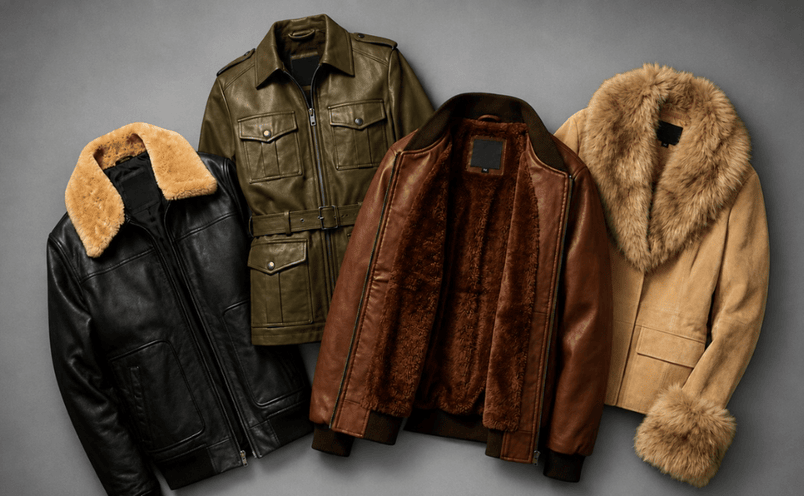
Goatskin can offer a combination of flexibility, durability, and a softer feel. Lambskin and sheepskin are generally valued more for softness, comfort, and fashion applications.
This means there is no single leather type that is perfect for every product.
A racing brand may prioritize a durable leather construction, while a lifestyle brand developing Men’s leather jackets may place greater emphasis on softness, weight, styling, and everyday wear.
Private-label buyers should therefore specify the intended use of the product before selecting the leather.
A manufacturer should be able to discuss leather type, thickness, grain, finish, flexibility, abrasion performance, color consistency, surface quality, and intended application. The objective is to select a material that matches both the product’s performance requirements and the brand’s positioning.
Customization Is Moving Beyond Logos and Colors
One of the biggest advantages of private-label manufacturing is customization. In the past, customization often meant simply adding a company logo or changing a product’s color.
In 2026, brands increasingly want deeper control overthe entire product. This can include custom patterns custom measurements leather selection color combinations logos branding embroidery rider names rider numbers labels packaging lining colors pocket configurations protective components reflective elements and hardware and zipper choices.
This is particularly valuable for brands that want their products to look different from mass-market motorcycle jackets.
A private-label manufacturer can work from a technical specification, reference product, sketches or existing design concept and develop samples before bulk manufacturing.
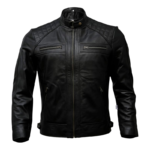
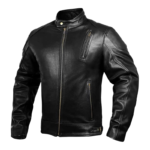
TriCore, for example, promotes customization options across its motorcycle apparel range, including custom-fit and material options on selected products. TriCore STR 2.0 Sport Motorcycle Jacket
3D Design,CAD and Faster Sampling Are Changing Development
Product development is becoming increasingly technology-driven. CAD pattern development, digital design tools, 3D visualization and improved sampling processes can reduce the time between an initial concept and a physical product.
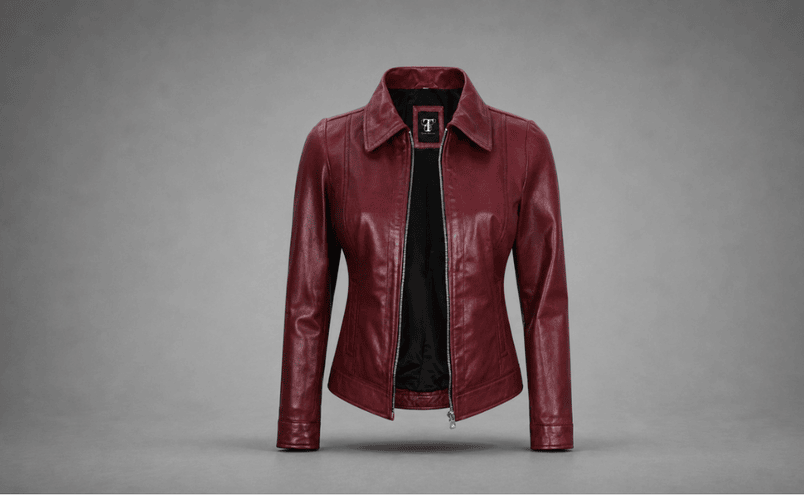
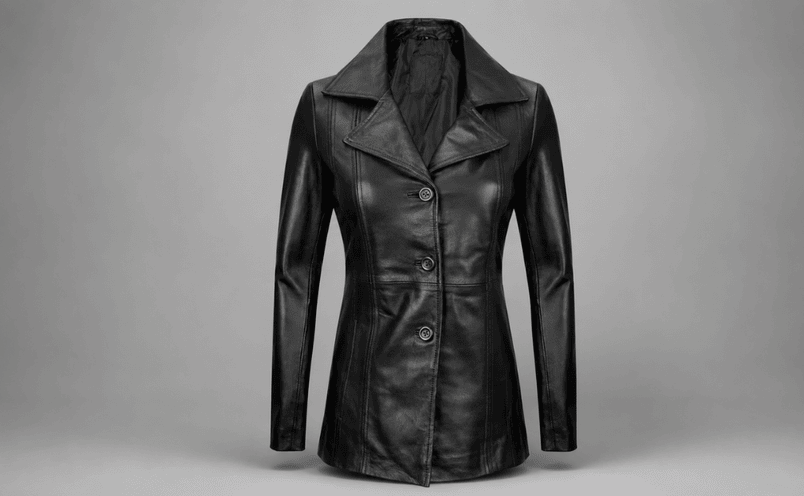
For made-to-measure motorcycleapparel, digital pattern development can also help manufacturers work more accurately with different body shapes andsizing requirements. This is particularly important for brands targeting female riders. The demand for normal sentence mein women’s motorcycle clothing continues to create opportunities for brands that can offer better-fitting protective gear designed around women’s body proportions rather than simply adapting men’s patterns.
Products such as a women’s motorcycle jacket or women’s riding jacket may require different shaping around the chest, waist, hips, shoulders, and arms.
For brands, better fit can become a genuine competitive advantage. Instead of offering only standard sizes, private-label manufacturers can help brands develop women-specific patterns, men-specific patterns, measurements extended sizing, different fit profiles, race-specific fits, and touring-specific fits. Better digital development can also make sampling more efficient and reduce costly revisions.
Customization Is Moving Beyond Logos and Colors
One of the biggest advantages of private-label manufacturing is customization. In the past, customization often meant simply adding a company logo or changing a product’s color.
In 2026, brands increasingly want deeper control over the entire product. This can include ustom patterns, custom measurements, leather selection, color combinations, logos, branding, embroidery, rider names, rider numbers, labels, packaging, lining colors, pocket configurations, protective components, reflective elements,and hardware and zipper choices.
This is particularly valuable for brands that want their products to look different from mass-market motorcycle jackets.
A private-label manufacturer can work froma technical specification, a reference product, sketches, or an existing design concept and develop samples before bulk manufacturing.
TriCore, for example, promotes customization options across its motorcycle apparel range including custom-fit and material options on selected products. TriCore STR 2.0 Sport Motorcycle Jacket
Motorcycle Jackets Are Becoming More Versatile
The motorcycle apparel market is no longer limited to traditional racing products.
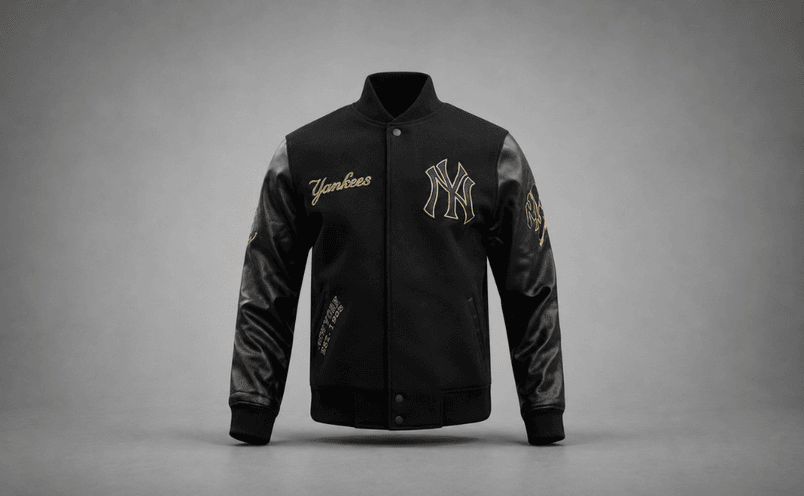
Today’s riders often want products that can transition between riding andeveryday use. This is creating opportunities across several categories, including racing jackets, touring jackets, urban motorcycle jackets, style jackets Casual leather jackets Textile riding jackets and Women’s riding gear.
For retailers, this means a broader product range can help target differentrider segments. A premium brand might offer a performance-focused leather racing jacket alongside an everyday vintage leather motorcycle jacket.
Atouring-focused brand may combine a waterproof textile riding jacket with protective trousers, motorcycle boots, gloves, and other motorcycle accessories. The result is a more complete product ecosystem.
Biker Boots and Motorcycle Boots Are Important Opportunities for Brands
Footwear is another important category for private-label motorcycle brands.
Biker boots are no longer limited to traditional black leather styles. Brands are developing products for customers. For retailers, this creates for retailer this creates opportunities to build multiple footwear categories instead of relying on a single boot design.
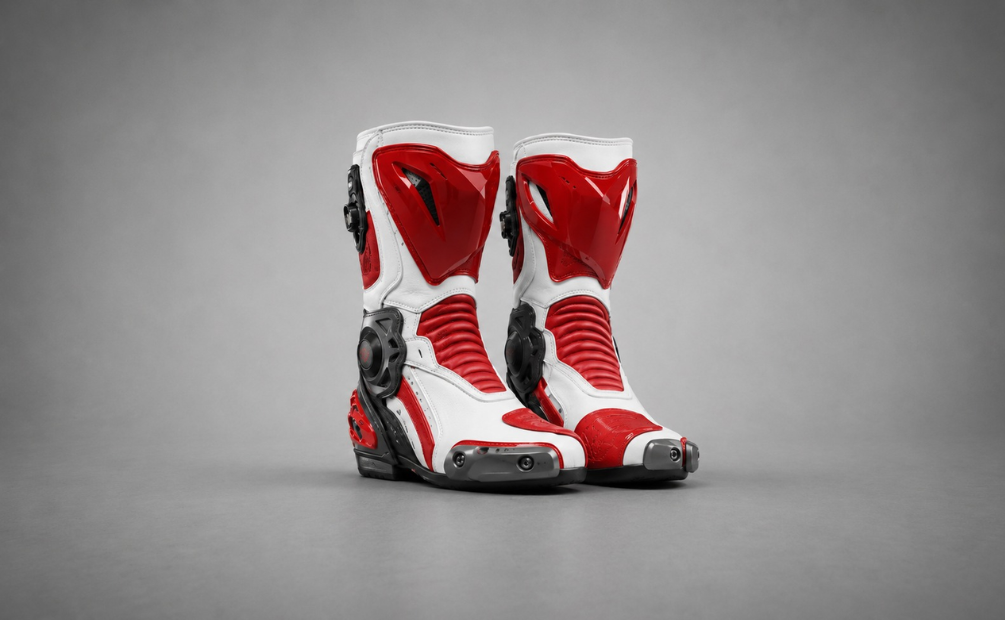
A product range could include racing motorcycle boots designed around high-performance riding and protective construction leather motorcycle boots combining traditional leather styling with motorcycle-specific protection touring boots designed around comfort, weather resistance, and longer-distance riding and Urban Biker Boots designed to combine motorcycle protection with a more everyday appearance.
For brands developing private-label footwear, important manufacturing considerations include leather quality, boot height, sole construction, commas needed: ankle protection, reinforcement, closure systems, waterproofing, abrasion resistance, comfort, and CE requirements.
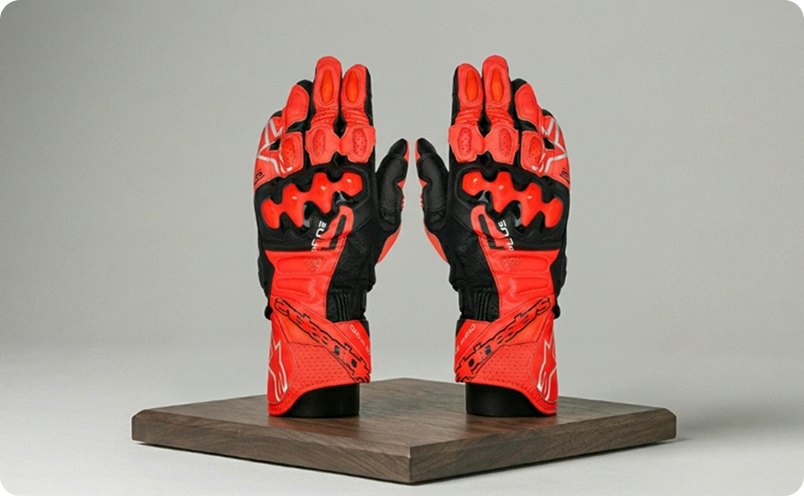
The same approach applies to motorcycle gloves. A brand may develop standard racing gloves alongside touring gloves or Waterproof motorcycle gloves for customers riding in changing weather conditions.
Motorcycle Accessories Create Cross-Selling Opportunities
A strong motorcycle brand does not necessarily need to sell only jackets and suits.
Motorcycle accessories can increase average order value and help retailers build a complete riding range.
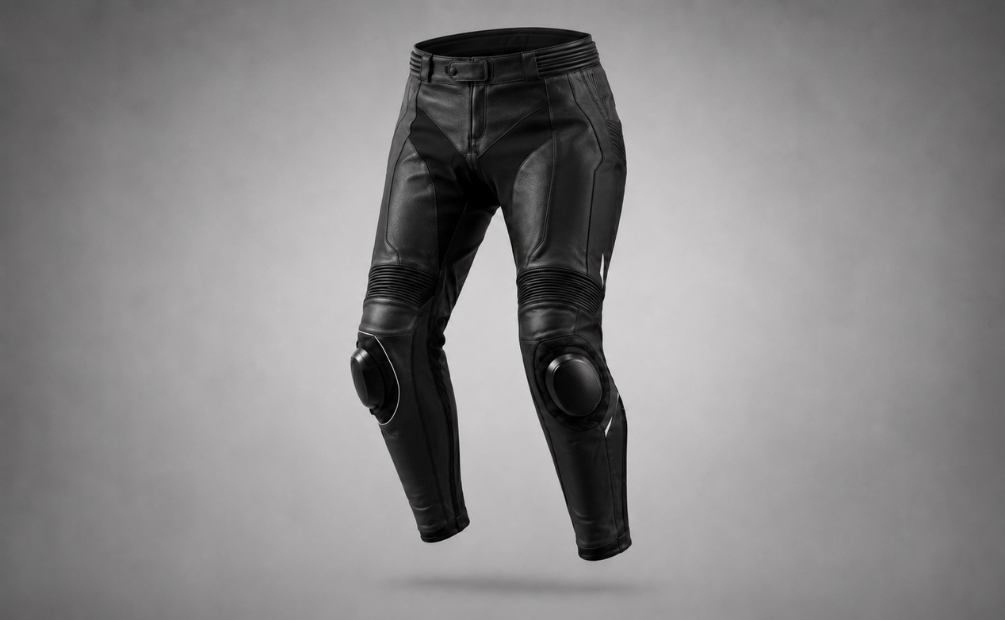
Potential categories include biker gloves, motorcycle boots, protective trousers, riding suits, balaclavas, protective accessories, motorcycle bags, and branded riding accessories.
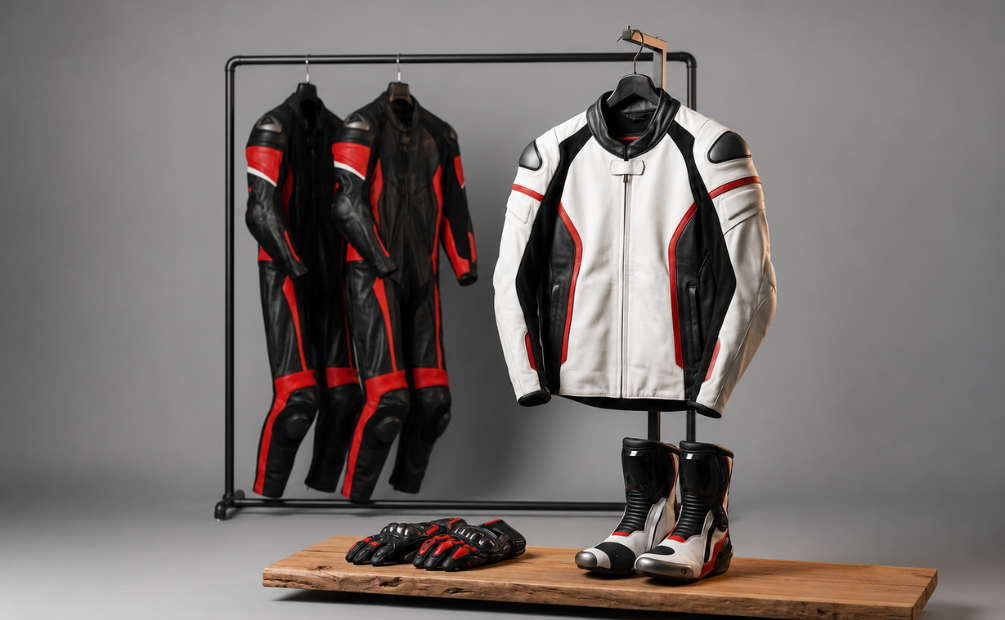
For a private-label brand, developing complementary products can also create a consistent visual identity. For example, a brand could create a matching product family consisting ofa leather motorcycle jacket, gloves, boots, and riding trousers using the same color palette, branding, and design language. This approach can make a brand look more established and professional.
Women’s Motorcycle Clothing Represents an Important Growth Opportunity
Women’s motorcycle apparel is becoming increasingly important for manufacturers and retailers.
Rather than simply reducing men’s garments into smaller sizes, brands are increasingly developing dedicated women’s patterns. A properly designed women’s motorcycle jacket should considerfemale body proportions, shoulder shape, chest placement, waist shaping, hip measurements, sleeve length, protective armor positioning, and riding posture.
This approach can improve both comfort and product performance for private-label brands, women’s products also provide an opportunity to enter an underserved niche and build a recognizable identity within the market.
A brand could develop a dedicated women’s collection covering jackets, gloves, trousers, boots, and other Women’s motorcycle clothing rather than treating women’s products as an extension of a men’s range.
Vintage Styling Is Being Combined With Modern Protection
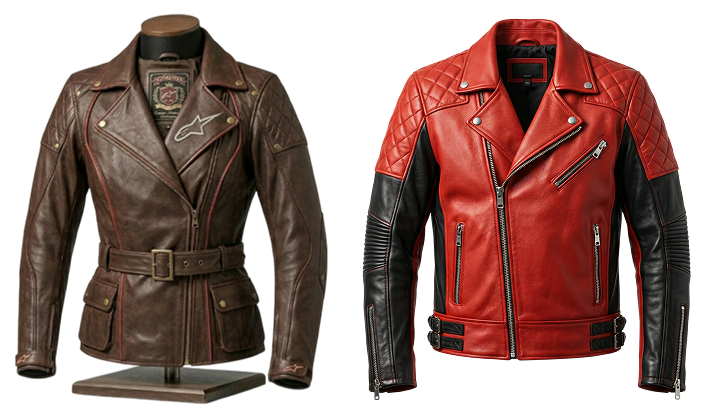
Classic motorcycle aesthetics remain popular. Café-racer-inspired designs quilted panels, distressed finishes, traditional collars, and minimalist branding can give products a vintage appearance while modern protective construction provides contemporary functionality.
This creates an interesting opportunityFor private-label brands, women’s products.
A vintage leather motorcycle jacket can be designed to look traditional while incorporating modern protective features.
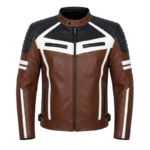
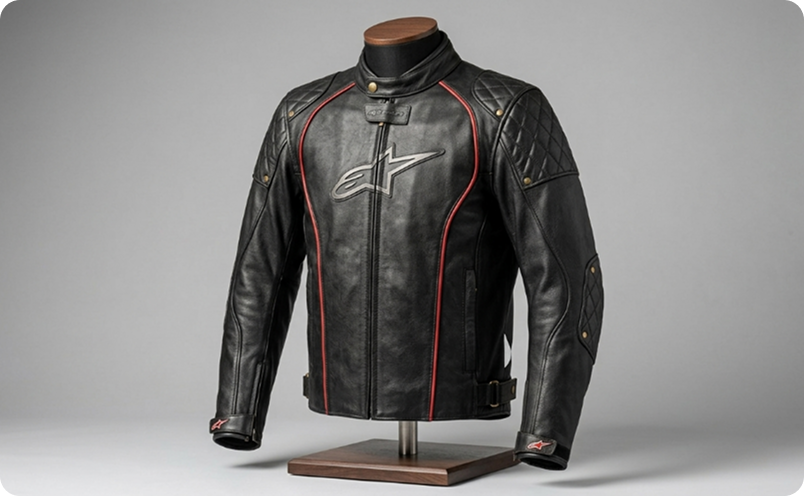
TriCore’s men’s brown and black quilted leather biker jacket is an example ofthis combination, bringing vintage-inspired styling together with protective riding functionality. TriCore Vintage Moto Leather Jacket
For retailers, this type of product can appeal to customers who want motorcycle protection without the aggressive appearance of a racing suit.
Flexible Manufacturing, Private-Label Production and Quality Control Are Becoming More Valuable
One of the biggest advantages of working with an experienced OEM manufacturer is production flexibility.
A growing motorcycle brand may not initially need thousands of units. It may want to test a product, collect customer feedback and then increase production once demand is established.
This makes sampling, MOQ flexibility, repeat production, communication, and quality control important factors when selecting a manufacturing partner.
Brands should ask potential suppliers about the minimum order quantity, sample production before bulk orders, sampling time, revision process,specification consistency, quality control procedures, increasing order volumes, and future reproduction of the same product.
As a product becomes established, repeat production can become more efficient because approved specifications, patterns, and materials are already available. For brands, this can make private-label manufacturing a practical way to scale without building an in-house production facility.
A successful private-label program depends on consistency. The first sample may look excellent but the real test is whether the manufacturer can reproduce the same quality across a larger production run.
Quality control should cover multiple stages, including material inspection leather selection pattern cutting stitching component installation protective armor placement zipper and hardware inspection branding inspection, final measurement checks and final product inspection.
Brands should establish clear specifications before bulk production begins. A detailed tech pack can definematerials, measurements, construction details, colors, branding placement, stitching requirements, labels, and packaging. This reduces misunderstandings between the brand and manufacturer and helps maintain consistent quality throughout production.
How Brands Should Choose a Private-Label Motorcycle Gear Manufacturer
Choosing the lowest cost supplier is rarely the best long term strategy. Instead brands should evaluate a manufacturer based on its ability to deliver quality consistency communication customization, compliance support and scalability.
A strong manufacturing partner should ideally provide a structured development process: Concept → Technical Specification → Material Selection → Prototype → Sample → Testing → Approval → Bulk Production → Quality Control → Delivery.
Brands should also evaluate whether the supplier understands the target market. For example a brand selling Leather motorcycle jacket UK products needs to understand the expectations of UK customers and applicable product requirements. Similarly, a European retailer may have different compliance, labeling documentation and packaging requirements from a brand selling in another market.
The right manufacturer should be able to discuss these requirements before production begins.
What Does the Future of Private-Label Racing Leather Look Like?
The future of motorcycle apparel manufacturing is moving toward customization compliance sustainability technology and specialization. Brands no longer need to choose between creating unique products and working with an external manufacturer.
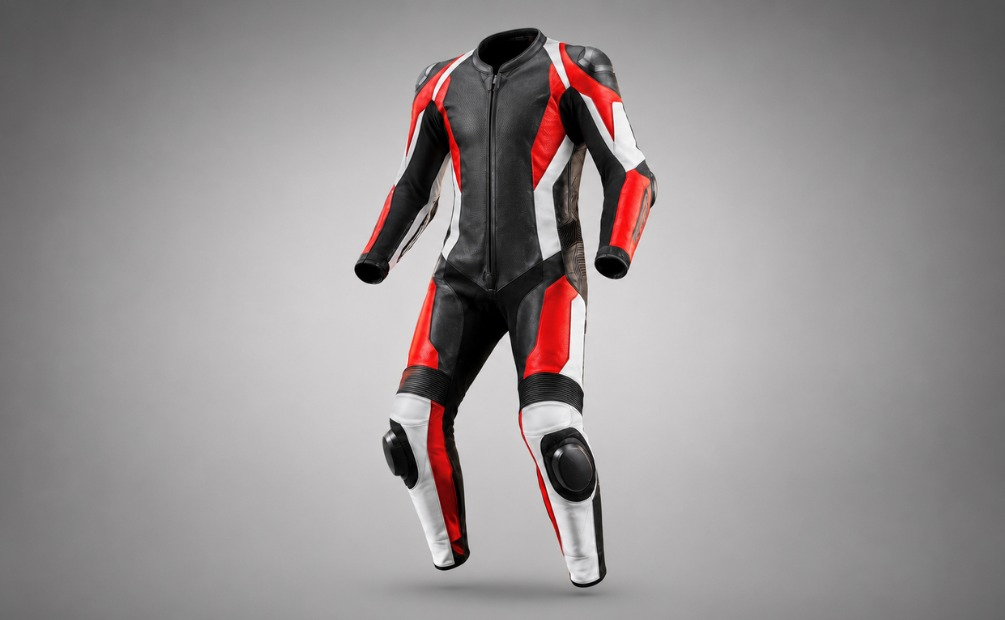
Private-label production allows businesses to combine their own brand identity with specialist manufacturing capabilities. From a custom One piece motorcycle suit to a premium Leather motorcycle jacket, Motorcycle Boots, Biker gloves, and complete Motorcycle accessories, brands can build a product portfolio around their target customers.
The strongest brands in 2026 will be those that understand that motorcycle apparel is not simply about appearance. It is about the combination of Design + Fit + Materials + Protection + Compliance + Quality + Brand Identity. That is where the right manufacturing partnership becomes valuable.
Final Thoughts
Private-label and custom racing leather manufacturing is becoming a strategic opportunity for motorcycle brands retailers and distributors. Instead of investing heavily in factories and production infrastructure brands can collaborate with experienced manufacturers to develop products under their own identity.
The most important trends for 2026 include sustainable material sourcing, advanced product development custom fitting, improved sampling, specialized women’s motorcycle clothing, vintage-inspired designs expanding footwear categories and greater attention to protective standards.
For brands looking to launch or expand a motorcycle apparel range, the goal should not simply be to find a supplier that can manufacture leather products. The goal should be to find a long-term manufacturing partner that understands product development quality customization, compliance and the commercial needs of a growing motorcycle brand. TriCore supports businesses looking for a reliable leather production partner and offers motorcycle apparel outsourcing and private-label manufacturing solutions. Explore TriCore Private-Label & Outsourcing Solutions
Why Choose Tricore Jackets?
FREQUENTLY ASKED QUESTIONS
1.What is private-label motorcycle gear?
Private-label motorcycle gear is protective or riding apparel manufactured by a third-party supplier according to a brand’s specifications and sold under that brand’s name. Products can include jackets suits trousers gloves boots and other riding equipment.
2. Why should motorcycle brands use private-label manufacturing?
Private-label manufacturing allows brands to develop their own products without establishing an entire manufacturing operation. It can provide access to specialist production customization sampling quality control and scalable manufacturing.
3. Which leather is best for a motorcycle jacket?
There is no single leather that is best for every motorcycle jacket. Cowhide is widely used for durable motorcycle and racing applications while goatskin can offer a balance of flexibility and durability. Lambskin and sheepskin are softer and are often more suitable for fashion-focused products. The correct material depends on the intended use and required protective performance.
4.What standards apply to motorcycle protective clothing?
Different motorcycle products can fall under different standards. EN 17092 is used for protective motorcycle garments, while EN 13594 applies to motorcycle gloves and EN 13634 to motorcycle footwear. Brands should verify the applicable requirements for their specific product, market, and intended use.
5.Can private-label manufacturers customize motorcycle jackets?
Yes. Depending on the manufacturer, customization can include leather type, colors, logos, branding, measurements, patterns, lining, labels, protective components, and other design elements.