Heated Motorcycle Gear vs Layering: Which Is Worth It?

Heated Gear vs. Layers
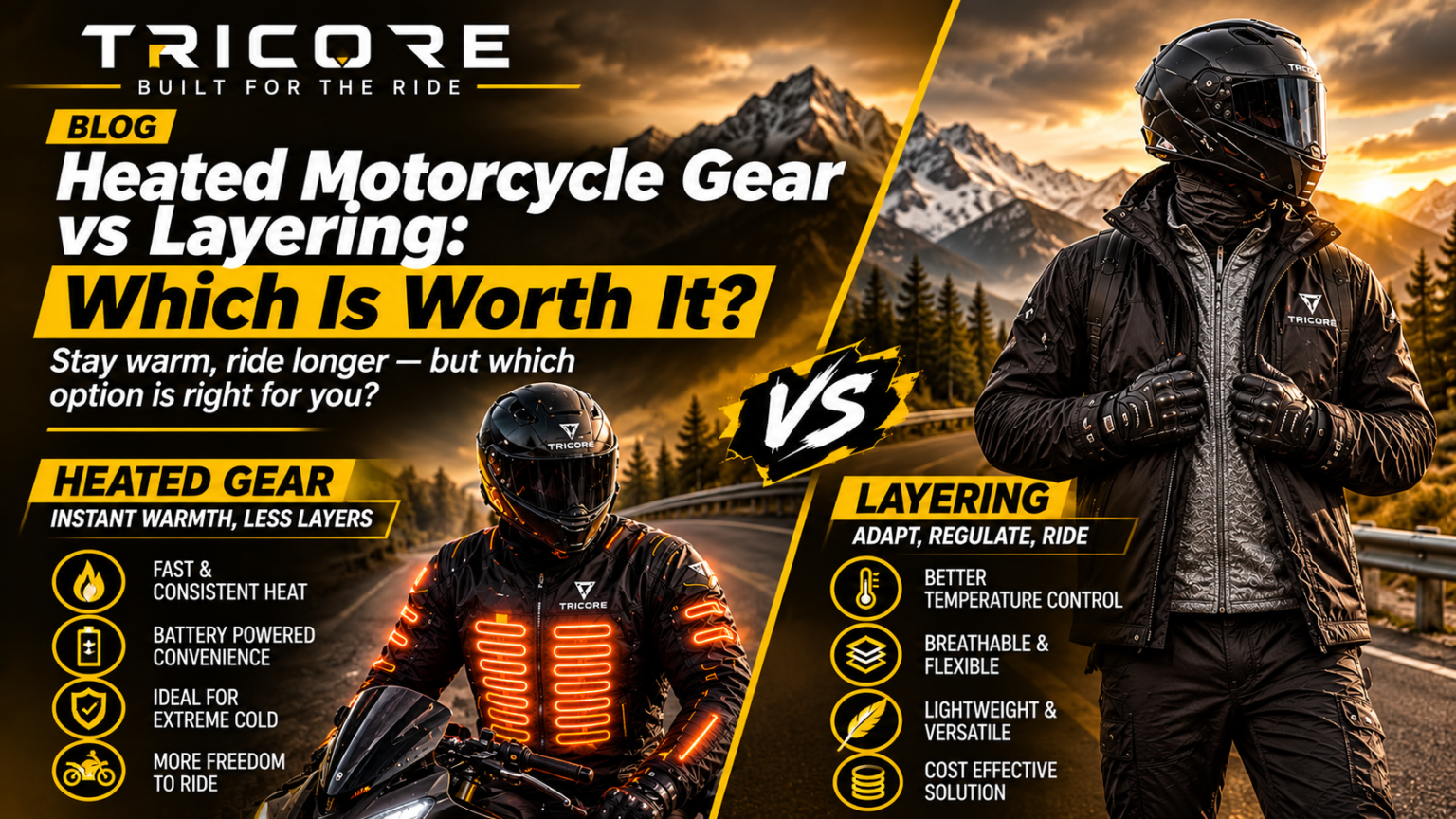
Heated Motorcycle Gear vs Layering: Which Is Worth It?
TL; DR A 5°C morning feels mild when you’re walking to the bike. Ten minutes into a dual carriageway run, with damp air and wind cutting through every gap in your kit, it feels very different. Cold fingers get slow on the levers. A chilled core makes you tense and tired. On a long ride, that discomfort wears down your focus.
That’s why so many riders weigh up heated motorcycle gear vs layering before winter arrives. Both can keep you warmer, but they work differently, cost different amounts and suit different riding habits.
This guide compares both options in plain terms. You’ll learn how heated gear and thermal layers work, which suits commuting, touring and short trips, and whether powered kit is worth the extra money. If you’re already thinking about upgrading your setup, browse motorcycle clothing and riding gear to see what’s available for UK winter conditions.
The short answer: a good layering system is the practical starting point for most riders. Heated gear becomes worthwhile when you ride often, ride far or ride in especially cold conditions. For many winter riders, combining the two is the most effective option.
01
Choose the Right Base Layer
Wear moisture-wicking thermal clothing to keep your body dry and warm.
02
Add an Insulating Mid-Layer
Use fleece or thermal insulation to trap body heat during cold rides.
03
Wear a Windproof Outer Jacket
Choose protective motorcycle clothing that blocks cold wind and moisture.
04
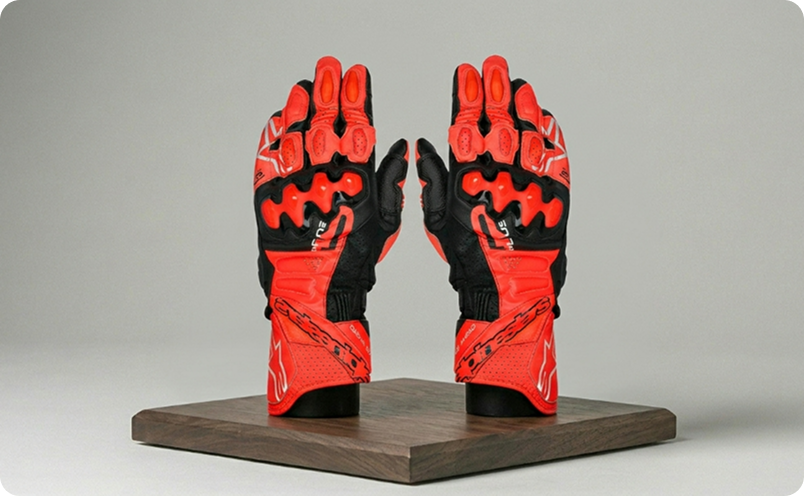
Consider Heated Motorcycle Gloves
Keep your fingers warm and maintain better comfort when operating the controls.
HEATED MOTORCYCLE GEAR
VS LAYERING
Which Is Worth It for Winter Riding?
Discover the differences between heated motorcycle clothing and traditional thermal layering. Compare warmth, comfort, cost and practicality to find the right setup for commuting and long-distance rides.
EXPLORE MOTORCYCLE GEAR ↗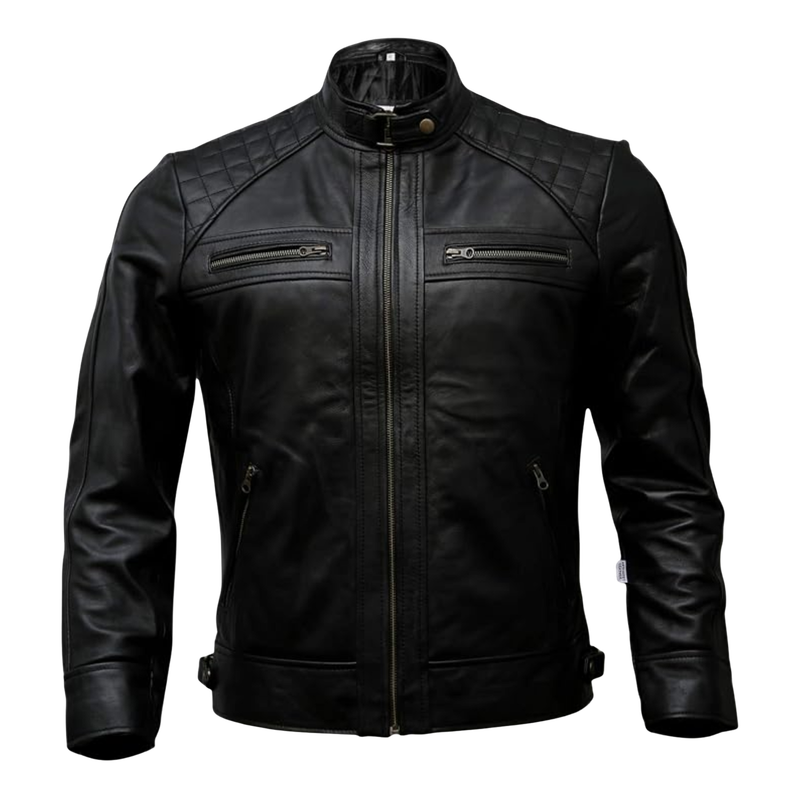
UK Winter Riding Challenges
Why Cold-Weather Motorcycle Riding Is So Demanding in the UK
UK winters are rarely extreme in temperature, but they’re tough on riders. The real problem is the combination of cold, wind, and moisture.
- Wind chill: At speed, moving air pulls heat from your body much faster than still air. A cool day can feel freezing on the bike.
- Damp conditions: Drizzle, spray, and high humidity soak into poorly protected clothing. Wet fabric loses much of its insulating value.
- Long commutes: Twenty minutes might be bearable. Ninety minutes on the motorway is a completely different test.
- Changing temperatures: A frosty start can turn into a mild afternoon, so your gear needs to adapt throughout the day.
Good cold-weather motorcycle riding gear has to manage all four of these challenges. That’s where the choice between heated clothing and layering becomes critical.
What Is Heated Motorcycle Gear?
Heated motorcycle gear uses electrical elements to produce warmth. Instead of relying only on trapping your body heat, it actively adds heat to key areas—your hands, chest, and back.
Types of Heated Motorcycle Gear
- Heated motorcycle gloves: Elements run through the fingers and back of the hand, the areas that get coldest first.
- Heated grips: Fitted to the handlebars, they warm your palms through your gloves. Popular with commuters because you don’t need to plug anything into your clothing.
- Heated vests and jacket liners: These warm your core. When your core stays warm, your body is more willing to send blood to your hands and feet.
- Heated base layers: Close-fitting powered tops that sit near the skin.
- Heated trousers and insoles: Useful for riders whose legs or feet suffer on long, cold runs.
Try Heated Grips
Warm your palms during daily commutes without adding extra clothing layers.
Avoid Too Many Layers
Wear properly fitted clothing without restricting movement or affecting armor positioning.
Use a Heated Vest
Keep your chest and core warm during long-distance winter rides.
Match Gear to Your Riding Style
Choose layering for short trips and heated gear for frequent, long winter journeys.
Check Battery and Wiring
Make sure heated gear has sufficient battery power and secure electrical connections.
Combine Both for Better Comfort
Use thermal layers with heated gear for reliable warmth in extremely cold conditions.
Heated Gear Basics
How Does Heated Motorcycle Gear Work?
Battery-powered vs motorcycle-powered systems
Battery-powered heated motorcycle gear uses rechargeable packs, often tucked into a pocket or glove cuff. It’s simple to use and works off the bike, but run time is limited. Motorcycle-powered gear connects to the bike’s electrical system through a wiring loom, giving steady heat for as long as you ride.
Temperature controls and heat settings
Most heated garments offer several heat levels. Some use a button on the garment, others an inline controller or wireless remote. Lower settings generally last longer on battery power.
Charging, wiring and compatibility
Battery gear needs regular charging and eventually new batteries. Wired gear needs a correctly installed connection, and your bike must have enough spare electrical output to run it reliably. This matters more on smaller or older motorcycles.
Advantages and Disadvantages of Heated Gear
|
Advantages |
Disadvantages |
|
Targeted warmth where you need it most |
Higher purchase cost |
|
Adjustable heat on the move |
Batteries need charging and replacing |
|
More comfortable on long, cold rides |
Wiring and connectors require ongoing care |
|
Less bulk than piling on extra layers |
Can fail if power runs out or a connection breaks |
What Is Motorcycle Layering?
Layering means wearing several garments that work together to hold in body heat and move sweat away from your skin. It’s the traditional approach to winter motorcycle clothing in the UK, and for good reason: it’s flexible, affordable and reliable.
3-Layer System
The Three-Layer System
- Base layer: Moisture-wicking thermal underwear sits against your skin. It pulls sweat away so you stay dry, which is vital for staying warm. Merino wool and technical synthetics are the best choices. Avoid cotton, which holds moisture and chills quickly.
- Mid-layer: A fleece, thin insulated top or similar garment traps warm air close to your body. You can swap this layer out to suit the temperature of the day.
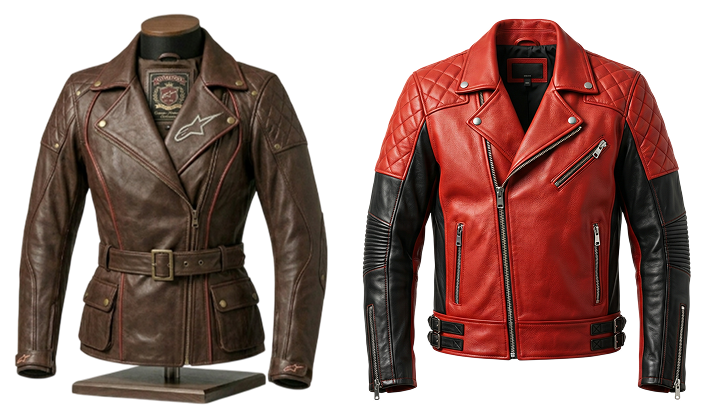
- Outer layer: Your protective motorcycle jackets and trousers. This layer blocks wind and weather, carries your armor and is your primary line of protection on the road.
Benefits of Layering for Winter Riding
- Lower upfront cost: You may already own suitable base layers or fleeces.
- No power needed: Nothing to charge, wire or plug in.
- Adjustable insulation: Add a mid-layer for frosty mornings and leave it at home on milder days.
- Easy to adapt mid-ride: Remove a layer at a stop if the day warms up.
Limitations of Layering
- Bulk: Too many layers can restrict movement and affect how your jacket fits over your armor.
- Overheating: Heavy layers can make you sweat during stops or slow traffic, then leave you chilled once you pick up speed again.
- Cold extremities: Layers do a good job for your core but often can’t keep hands and feet warm on long, cold rides.
- Fit under protective gear: Everything must fit comfortably beneath your outerwear without pushing armor out of position.
Heated Motorcycle Gear vs Layering: Key Differences
If you want a quick side-by-side answer, start here.
|
Factor |
Heated motorcycle gear |
Traditional layering |
|
Initial cost |
Usually higher |
Often lower |
|
Warmth |
Active, adjustable heat |
Insulation retains body heat |
|
Power required |
Battery or bike, depending on product |
No electrical power |
|
Long winter commutes |
Can be especially useful |
May be enough with suitable layers |
|
Temperature adjustment |
Heat controls on compatible gear |
Add or remove layers |
|
Bulk |
Depends on the garment |
Can become bulky |
|
Maintenance |
Batteries, wiring or connectors |
Normal clothing care |
|
Best use case |
Frequent cold-weather riding |
Everyday flexibility and variable conditions |
The table gives a general picture, but real-world performance depends on three things: the quality and fit of the gear, the weather conditions you ride in and how long you spend on the bike. A cheap heated vest under a drafty jacket can feel worse than well-chosen thermal layers under a windproof motorcycle jacket.
Which Is Better for Different Riding Situations?
Your riding habits matter more than any spec sheet. Here’s how heated gear and thermal layers compare in the most common scenarios for UK riders.
Daily Motorcycle Commuting
Commuters face cold starts, stop-start traffic and quick turnarounds. Layering works well here, especially a good thermal base layer under a quality outer jacket. It’s ready the moment you dress, with nothing to charge the night before.
Hands are usually the weak point on a cold commute. If your fingers go numb before you reach the office, heated grips or heated motorcycle gloves add real value. A heated vest helps if your commute is longer than 30 to 40 minutes or includes fast, exposed roads.
Best approach for commuters: Build solid layers first. Add heated grips, gloves or a vest only if your commute stays uncomfortable despite good layering.
Long-Distance Motorcycle Touring
On extended cold rides, small heat losses add up over hours. Adjustable heat lets you stay comfortable as conditions change, without stopping to swap layers. This is where heated motorcycle gear for touring genuinely earns its place.
Layering still matters, though. Insulation keeps you warm if a battery runs flat, and removable mid-layers help you adapt when you descend from cold hills into a milder valley.
Best approach for tourers: Combine insulating layers, strong weather protection and wired heated gear for the longest, coldest days.
Short Trips Around Town
If most of your rides last 10 to 15 minutes, heated clothing is hard to justify on cost. Your body won’t lose much heat in that time, and battery gear may barely warm up before you arrive.
Best approach for short rides: A thermal base layer, windproof outerwear and good winter motorcycle gloves are usually enough.
Very Cold Winter Conditions
In near-freezing or freezing temperatures, treating either option as a complete solution on its own is a mistake. Layers alone may not keep your hands and core warm for hours on end. Heated gear alone, with little insulation underneath, leaves you exposed if the power cuts out.
Best approach in serious cold: Use both. Layers provide a reliable baseline of warmth, and heated gear tops it up precisely where you need it most.
Is Heated Motorcycle Gear Worth the Extra Cost?
This is the question most riders really want answered before spending. The honest answer is: it depends on how often, how far and how cold you ride.
Upfront Cost vs Long-Term Value
A quality thermal base layer and mid-layer fleece cost relatively little, and you may already own them. Heated gear costs more upfront, and you may need batteries, chargers or a wiring kit on top of the garment price.
Think about frequency of use, not just the sticker price. If you commute year-round, you might ride in cold conditions for five or six months annually. Spread over that many rides, a pair of heated gloves can represent solid long-term value. If you only ride on dry weekends from spring to autumn, those same gloves may sit unused most of the year.
Also factor in ongoing running costs:
- Replacement batteries as they lose capacity over time
- Spare connectors or inline controllers
- Professional fitting costs if you’re not confident with wiring your bike
Which Heated Gear Should You Buy First?
If you’re new to heated motorcycle clothing, prioritize in this order:
- Heated gloves or grips for cold hands. Cold hands affect your control of the clutch, brake and throttle directly. Grips are simple and always ready on the bike. Gloves warm the backs of your hands and fingertips more thoroughly.
- A heated vest or jacket liner for core warmth. Keeping your core warm helps your body circulate blood to your hands and feet more effectively.
- Other heated garments only when genuinely needed. Heated trousers, insoles or full base layers suit riders who spend long hours in serious cold conditions.
A Practical Decision Guide
- Start with good thermal layers. Ride through a few cold weeks and note exactly where you feel the cold.
- Identify the specific problem area — hands, core or feet?
- Add targeted heated gear to solve that one problem first.
- Scale up further only when you’ve confirmed the need.
This approach prevents overspending and ensures every purchase solves a real, proven problem for your riding.
Can You Combine Heated Gear With Thermal Layers?
Yes—and for regular winter riders, it’s often the most practical and effective option. Layering with heated motorcycle gear gives you reliable insulation as a foundation, plus adjustable warmth on top.
Here’s how to build a complete winter motorcycle clothing system:
- Start with a moisture-wicking base layer. Dry skin stays significantly warmer.
- Add insulation suited to the temperature. A thin fleece for cool days, a warmer mid-layer for frost.
- Use heated garments in the correct position. Some heated vests sit over a base layer, others over a mid-layer. Always check the product guidance.
- Wear protective outerwear that fits over everything. Your jacket and trousers should close comfortably without straining at the seams.
- Avoid excessive bulk. Layers shouldn’t restrict your movement or push armor out of its correct position.
- Follow the manufacturer’s instructions for placement, power management, and safe use.
Remember: heated gear supplements your protective motorcycle clothing—it doesn’t replace it. Your outer layer still needs to provide abrasion resistance, certified armor, and weather protection on every ride.
How to Choose the Right Cold-Weather Motorcycle Clothing
Whether you lean toward layers, heated gear, or both, these checks will help you make the right decision before you buy.
Consider Your Local Riding Conditions
Think about the typical temperatures, wind exposure, and rainfall you ride through, plus the length of your usual journeys. A rider crossing exposed moorland faces very different demands from a city commuter doing short urban hops.
Prioritize Fit and Comfort With Layers Underneath
Try your jacket and trousers on with your full set of winter layers underneath—not just the jacket alone. Check that:
- You can reach the bars and turn your head freely
- Armor sits correctly over your shoulders, elbows, knees, and back
- Cuffs and collars close without leaving gaps where wind can enter
- Nothing pulls tight across your chest when you lean forward on the bike
If you plan to wear thermal layers underneath, you may need to size up from your usual fit. Before purchasing, always check the motorcycle gear sizing guide to confirm the right size for your winter setup.
Check Weather Resistance and Ventilation
Warmth and waterproofing are not the same thing. A thickly insulated jacket can still let rain soak through. A waterproof shell may offer very little insulation. Not all leather and textile motorcycle jackets offer the same level of wind and water resistance, so check the spec carefully before you commit. Ventilation also matters—it lets you release heat and moisture when conditions warm up mid-ride.
Check Electrical Compatibility and Safety for Heated Kit
For powered gear, review these points carefully:
- Battery capacity and realistic run time at the heat level you’d actually use
- Connector types and whether they’re compatible with your other heated garments
- Your motorcycle’s spare electrical output capacity for wired systems
- Manufacturer instructions on fitting, safe charging and off-season storage
If you’re unsure about wiring, have it professionally installed. A loose connection in a powered system can cause both comfort and safety issues.
Common Mistakes to Avoid When Riding in Winter
These are the mistakes that cause most cold-weather riding problems — and all of them are easy to avoid once you know them.
- Wearing too many layers. Sweating leaves you damp, and damp clothing loses warmth fast and is harder to dry during a rest stop.
- Assuming warm means waterproof. Insulation alone doesn’t stop rain. Always check the weather resistance rating of your outer layer.
- Buying heated gear without checking power requirements. Confirm your bike or battery can support the load before you buy.
- Letting bulky layers shift your armor out of position. Protection only works when armor sits in exactly the right place.
- Ignoring cold hands. Numb fingers slow your reactions on the brake and clutch — this is a genuine safety issue, not just a comfort one.
- Assuming heated gear makes icy or wet roads safe. Staying warm does not improve tyre grip or road conditions. If roads are icy or conditions look dangerous, delay your ride or find another way to travel.
For more guidance on riding safely through the colder months, see how to prepare for cold-weather motorcycle riding.
Cold-Weather Commuting Gear
Frequently Asked Questions (FAQ)
1.Is heated motorcycle gear worth it in the UK?
It’s worth it if you ride regularly through autumn and winter, especially on long or fast journeys. Occasional riders or those taking short trips generally get enough warmth from a well-built thermal layering system.
2.Is layering enough for winter motorcycle riding?
For many riders, yes. A moisture-wicking base layer, an insulating mid-layer and a windproof, weather-resistant outer layer work well for most UK winter rides. Hands and feet may still need extra attention on longer journeys.
3.What is better for winter riding: heated gloves or heated grips?
Heated grips warm your palms and are always ready on the bike — simple and reliable for daily commuters. Heated gloves warm your fingers and the backs of your hands more thoroughly, which is better in serious cold. Many riders find using both is the most effective combination.
4.Can you wear heated clothing under a motorcycle jacket?
Yes. Heated vests and liners are specifically designed to go under your outer jacket. Always confirm your jacket still fits properly and your armor hasn’t shifted before you ride.
5.What should you wear under motorcycle gear in cold weather?
Start with a moisture-wicking thermal base layer, then add a fleece or insulating mid-layer on top. Avoid cotton at every level — it absorbs sweat and loses all warmth when damp.