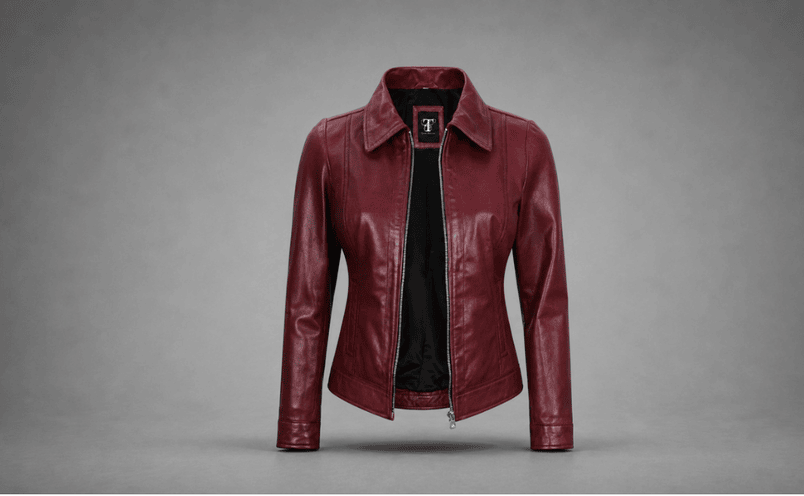
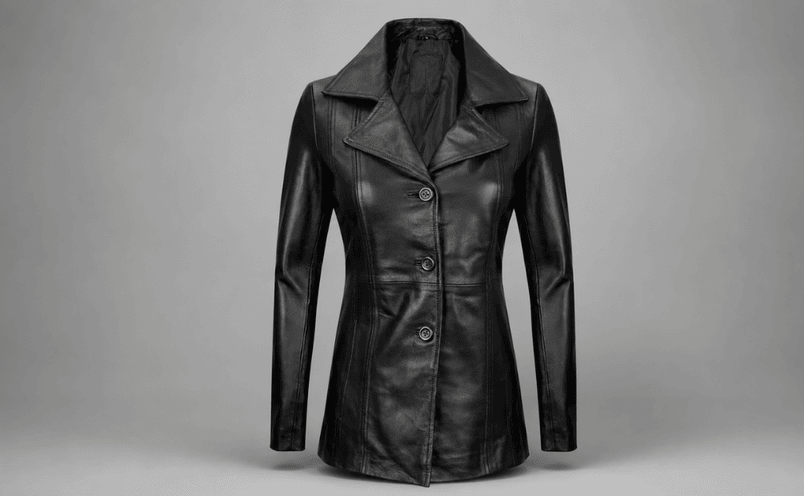
CE Level 2 Certification Explained: Why It Matters When Sourcing Motorcycle Gear
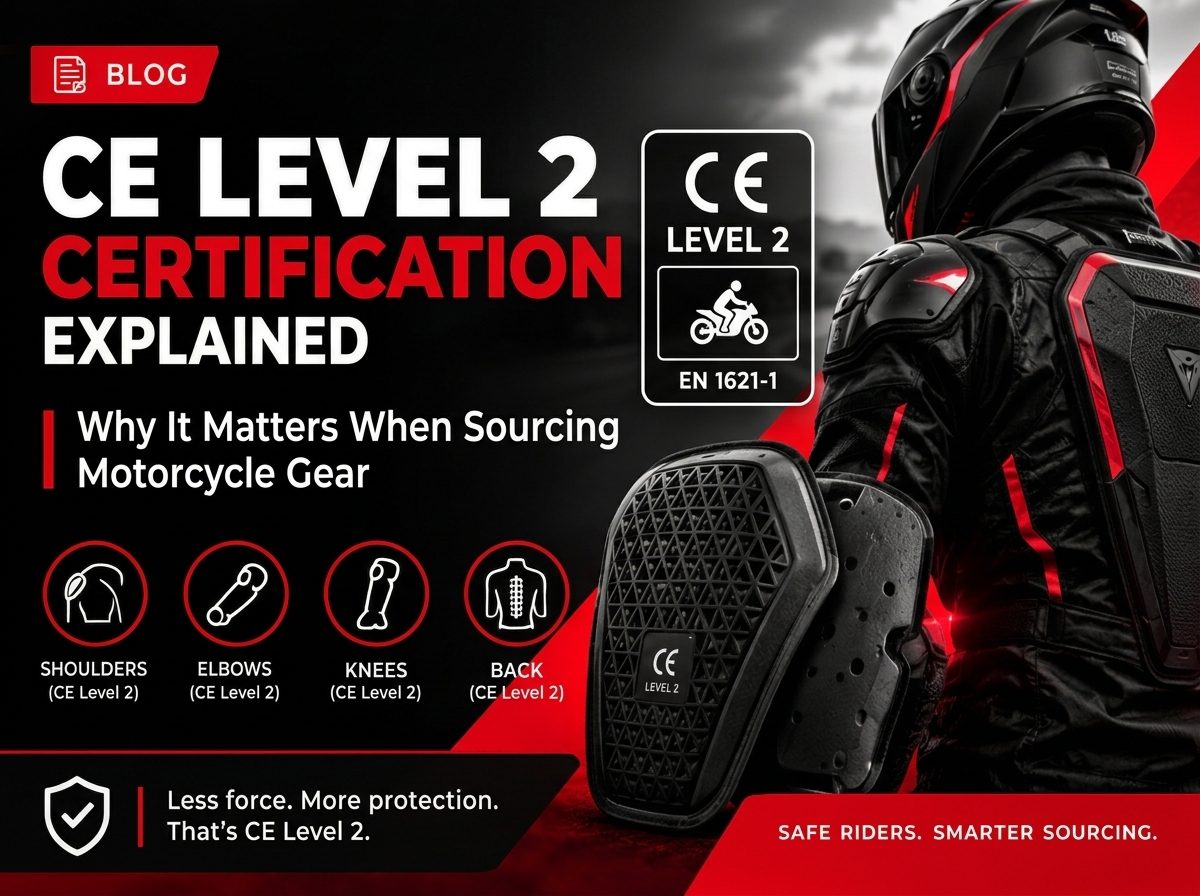

CE Level 2 Guide
CE Level 2 Certification Explained: Why It Matters When Sourcing Motorcycle Gear
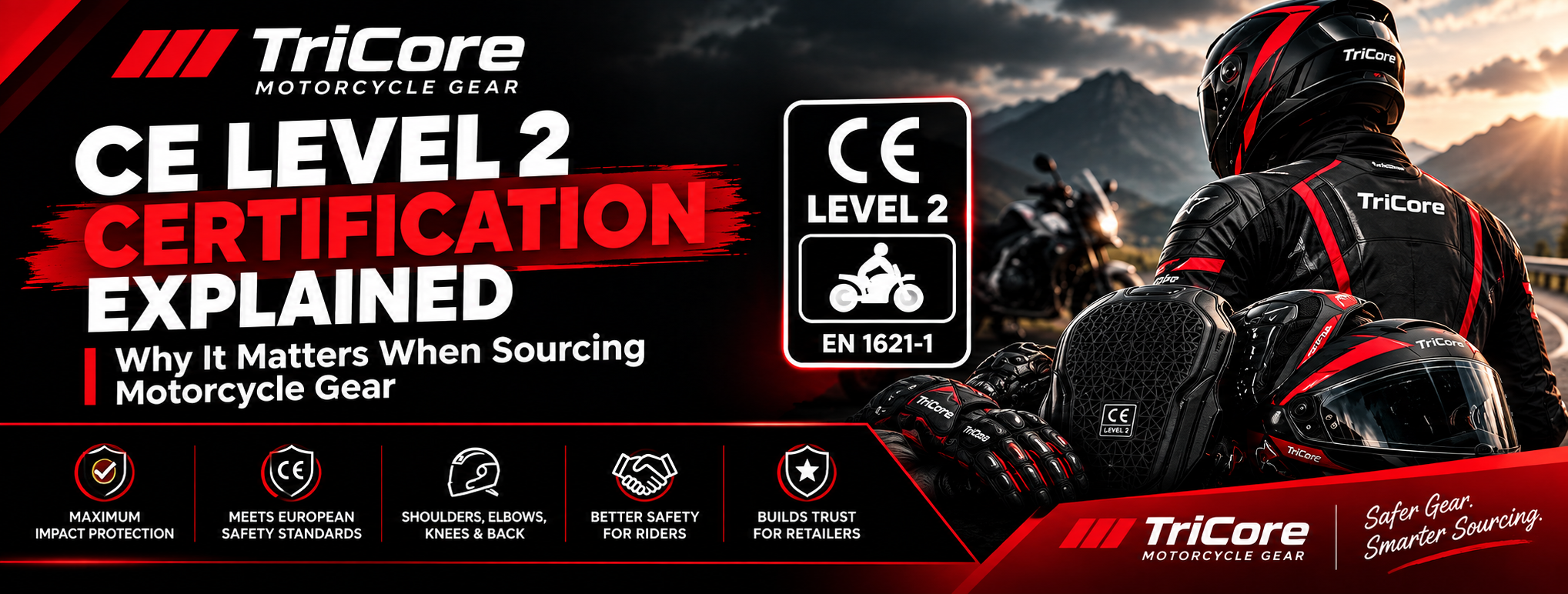
Quick answer: CE Level 2 certification is the highest impact-protection rating under European safety standard EN 1621-1, covering armor for shoulders, elbows, knees, and back. It transmits less force to the body than CE Level 1 gear during a crash, making it the benchmark riders and retailers should prioritize when sourcing genuine motorcycle protective gear.
Riding a motorcycle comes with an unavoidable trade-off: freedom on the road in exchange for real physical risk. That’s why protective gear isn’t a style accessory; it’s the barrier between a rider and serious injury. CE Level 2 certification is the clearest signal that a piece of gear has been independently tested and proven to reduce impact force during a fall or collision.
For riders, understanding this certification means the difference between buying gear that looks protective and gear that actually performs when it matters. For retailers and gear stores, sourcing CE Level 2-rated products isn’t just a safety consideration; it directly affects legal compliance, customer trust, and brand credibility.
This post breaks down what CE Level 2 certification actually means, what it covers, why it matters when sourcing motorcycle gear, and how to identify authentic certification from suppliers you can trust.
01
CE Level 2 Protection
Provides higher impact protection by transmitting less force to the body than CE Level 1 armor.
02
CE Level 1 vs Level 2
Level 2 armor offers stronger impact protection and is designed for riders seeking maximum safety.
03
Key Impact Zones
CE-rated armor protects vulnerable areas including the shoulders, elbows, knees, and back.
04
Tested & Certified Gear
Choose independently tested motorcycle protective gear with genuine CE certification for trusted protection.
CE LEVEL 2
PROTECTION
Understand CE Level 2 certification and choose genuine motorcycle leather gear with tested protection.
Explore TriCore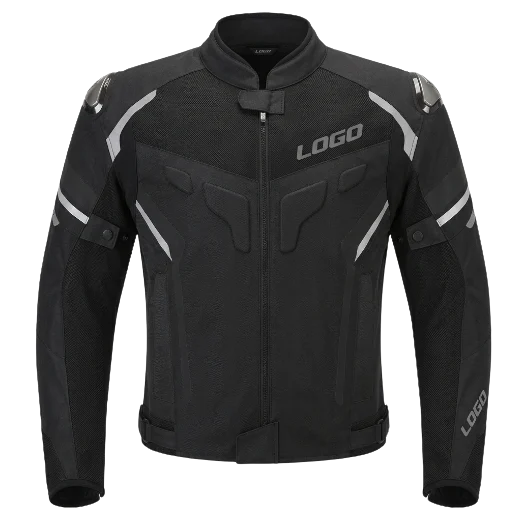
What Is CE Certification?
What Is CE Certification, and How Did It Start?
CE marking originated in the European Union as a way to standardize safety requirements across member states. Any protective equipment sold within the EU—including motorcycle armor—must meet specific testing benchmarks before it can carry the CE mark. Over time, this standard has been adopted well beyond Europe, becoming a global reference point for motorcycle gear manufacturers and buyers alike.
CE Level 1 vs. CE Level 2: What’s the Difference?
Motorcycle body armor is tested under EN 1621-1, which defines two protection tiers:
- CE Level 1: Allows a higher amount of transmitted force during impact testing. It offers a baseline level of protection suitable for lower-risk riding.
- CE Level 2: Requires armor to transmit significantly less force to the body—roughly half of what Level 1 permits. This makes Level 2 the superior choice for riders who want maximum protection.
Non-certified gear, by contrast, hasn’t undergone any standardized impact testing at all. It might look like protective armor, but without lab-verified results, there’s no way to know how it performs in a real accident.
Lower Impact Force
Armor designed to transmit less force to the body than CE Level 1 during impact.
Tested for Impact Protection
Armor is tested to absorb and disperse impact energy while reducing force transmitted to the body.
European Safety Standard
The standard covering impact protection for motorcycle armor in shoulders, elbows, knees and back.
Check Labels & Documentation
Look for the CE mark, EN 1621-1 reference and clearly stated protection level on the product and documentation.
PROTECTION ZONES
CE Level 2 armor provides certified protection for shoulders, elbows, knees and back.
Quality & Transparency
Choose suppliers that provide reliable materials, genuine certifications, testing and consistent quality control.
Impact Protection Requirements
What Does CE Level 2 Protection Actually Cover?
To earn CE Level 2 certification, armor must be tested for its ability to absorb and disperse impact energy, keeping the force transmitted to the body below a strict threshold. This testing simulates the kind of blunt-force trauma riders experience in falls and collisions.
Body Areas Covered
CE Level 2-rated armor typically protects:
- Shoulders
- Elbows
- Knees
- Back
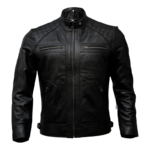
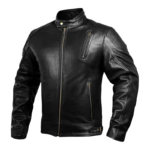
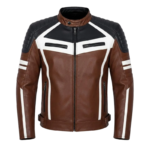
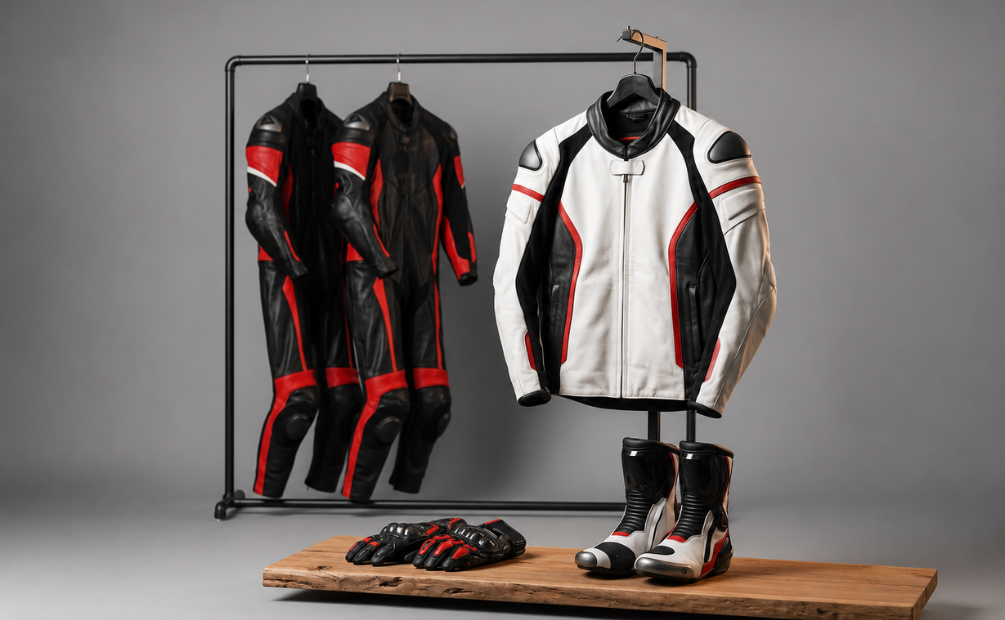
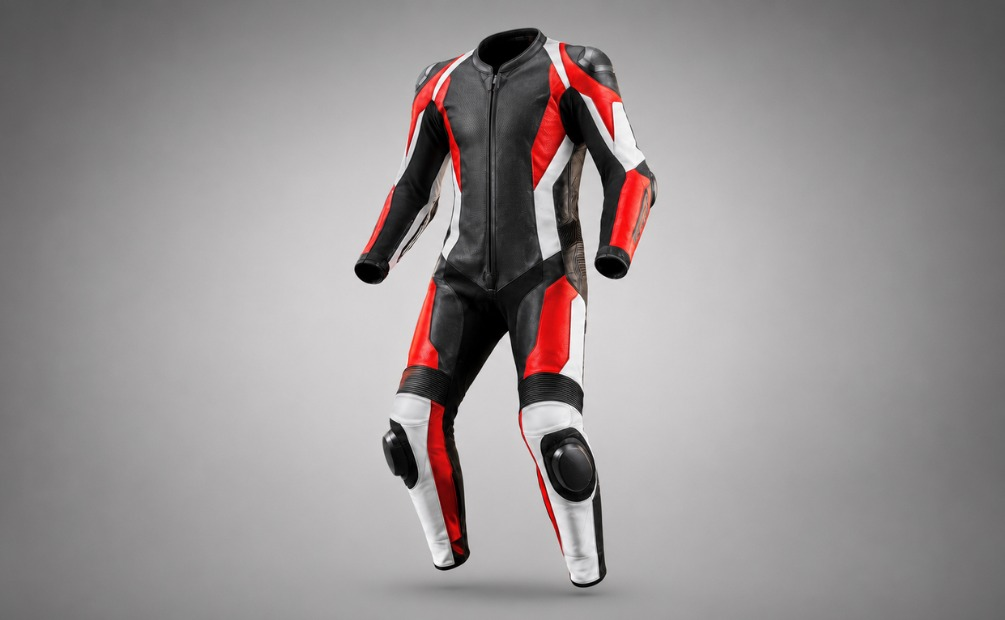
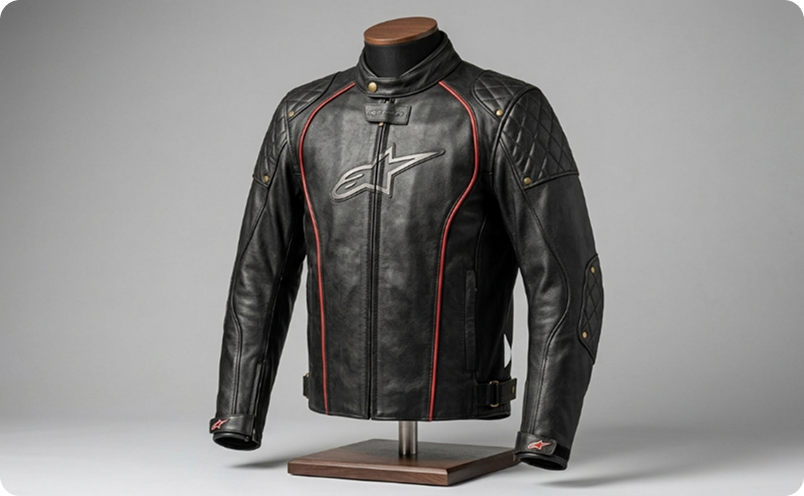
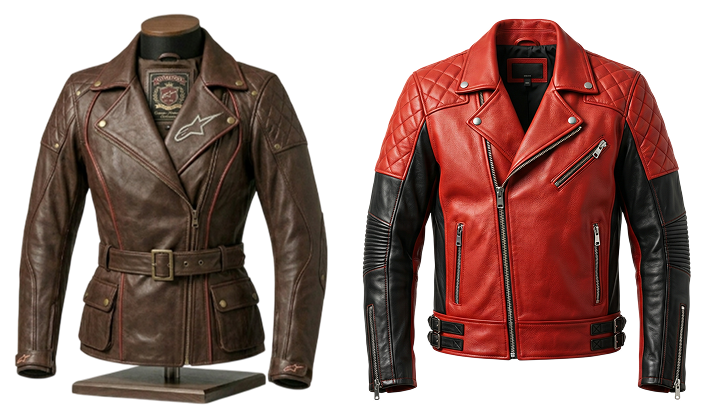
These are the areas most commonly injured during a slide or impact, which is why gear like the Men’s Leather Motorcycle Jacket – Premium Riding Jacket CE Level 2 Protection and Women’s Two-Piece Leather Suit – Premium Motorcycle Racing Suit CE Protection build armor pockets directly into these zones.
When Level 2 Matters
Real-World Scenarios Where Level 2 Matters
Picture a low-speed slide on a corner versus a high-speed highway collision. In both cases, CE Level 2 armor performs consistently better than Level 1 or uncertified padding because it’s engineered to handle a wider range of impact severity. For riders who log serious mileage—commuters, tourers, and track-day enthusiasts—that extra margin of protection matters.
Why Sourcing CE Level 2 Gear Matters for Riders and Retailers
Safety Benefits in Real Accidents
The core purpose of CE Level 2 certification is simple: reduce injury severity. Independent lab testing confirms that certified armor performs consistently under controlled impact conditions, giving riders confidence that their gear will do its job when it counts.
Legal Requirements Across Regions
Some countries and racing organizations require CE-rated protective gear as a condition of road use or event participation. Retailers selling gear internationally need to understand which markets mandate specific certification levels to stay compliant.
Insurance and Liability Considerations
For gear retailers, selling uncertified or falsely labeled “protective” gear creates liability exposure. If a customer is injured while wearing gear that doesn’t meet the safety claims on its label, retailers can face legal and reputational fallout.
Building Customer Trust Through Certified Products
Riders increasingly research safety ratings before buying. Retailers who consistently stock genuine CE Level 2 gear, and clearly communicate it, build long-term trust with a customer base that prioritizes safety over price alone.
How to Identify Authentic CE Level 2 Gear
What to Look for on Labels and Documentation
Genuine CE Level 2 gear will display the CE marking directly on the armor insert, along with documentation referencing EN 1621-1 and the specific protection level. Reputable manufacturers provide this information transparently, without vague claims like “impact-resistant” or “safety-rated” that don’t reference an actual standard.
Distinguishing Genuine Certification from Counterfeits
Counterfeit or mislabeled gear often uses CE-style logos without any actual testing behind them. Buyers and retailers should request certification documentation directly from suppliers rather than relying on packaging alone.
Why Sourcing from Trustworthy Suppliers Matters
Working with an established motorcycle gear manufacturer that has a track record of quality control reduces the risk of ending up with mislabeled products. Suppliers who are transparent about their materials, testing, and manufacturing process are far more likely to deliver gear that matches its safety claims.
Red Flags When Evaluating Manufacturers
Watch for suppliers who can’t provide test certificates, who use inconsistent labeling across product lines, or who source armor inserts from unverified third parties. These are signs that certification claims may not hold up.
Sourcing CE Level 2 Gear: Tips for Retailers and Gear Stores
Private Label vs. White Label Manufacturing
Retailers building their own gear line have two main paths: private label manufacturing, where products are custom-designed to a retailer’s specifications, or white label manufacturing, where existing designs are rebranded. Both approaches can deliver CE Level 2-certified gear, but private label sourcing offers more control over armor placement, materials, and fit.
Questions to Ask Potential Suppliers
Before committing to a supplier, ask directly:
- Can you provide EN 1621-1 test certificates for your armor inserts?
- Which specific body zones carry CE Level 2-rated protection?
- What leather grade and thickness do you use in construction?
The Importance of Premium Leather and Quality Materials
Certification covers the armor inserts, but the surrounding material matters too. Premium leather adds abrasion resistance that complements certified armor, creating a complete protective system rather than isolated safety features.
Building Relationships with Reliable Manufacturers
Long-term supplier relationships—rather than one-off orders—give retailers better visibility into quality control, consistent certification standards, and the ability to customize gear like motorbike jackets and suits for their specific market.
CE Level 2 Certification Is Non-Negotiable for Serious Riders
CE Level 2 certification isn’t a marketing checkbox—it’s the clearest evidence that motorcycle gear has been tested to reduce real injury in real accidents. For riders, that means seeking out armor rated for shoulders, elbows, knees, and back before buying. For retailers, it means partnering with manufacturers who can prove their certification claims with documentation, not just labels.
Gear stores that consistently stock genuine CE Level 2 products set themselves apart in a market crowded with vague safety promises. That differentiation builds the kind of trust that keeps riders coming back.
If you’re sourcing certified motorcycle gear for your store, prioritize suppliers who can show their testing credentials upfront because when it comes to rider safety, verified protection is the only kind that counts.
CE Level 2 Motorcycle Gear
Frequently Asked Questions (FAQ)
1.What does CE Level 2 mean on motorcycle gear?
CE Level 2 is the higher of two impact-protection ratings under EN 1621-1, meaning the armor transmits less force to the body during impact compared to CE Level 1 gear.
2.Is CE Level 2 gear required by law?
Requirements vary by country and use case. Some regions and racing organizations mandate certified protective gear, so riders and retailers should check local regulations.
3.How can I tell if gear is genuinely CE Level 2 certified?
Check for CE marking directly on the armor insert along with documentation referencing EN 1621-1. Request test certificates from the supplier if this information isn’t clearly available.
4.What's the difference between private label and white label sourcing for certified gear?
Private label manufacturing allows retailers to customize armor placement and materials to their specifications, while white label sourcing involves rebranding existing designs. Both can include CE Level 2 certification, but private label offers more control.
5.Does CE Level 2 armor cover the entire body?
No. CE Level 2 certification typically applies to specific impact zones—shoulders, elbows, knees, and back, rather than the entire body.