Low Winter Sun and Short Days: Visibility Tips for Riders

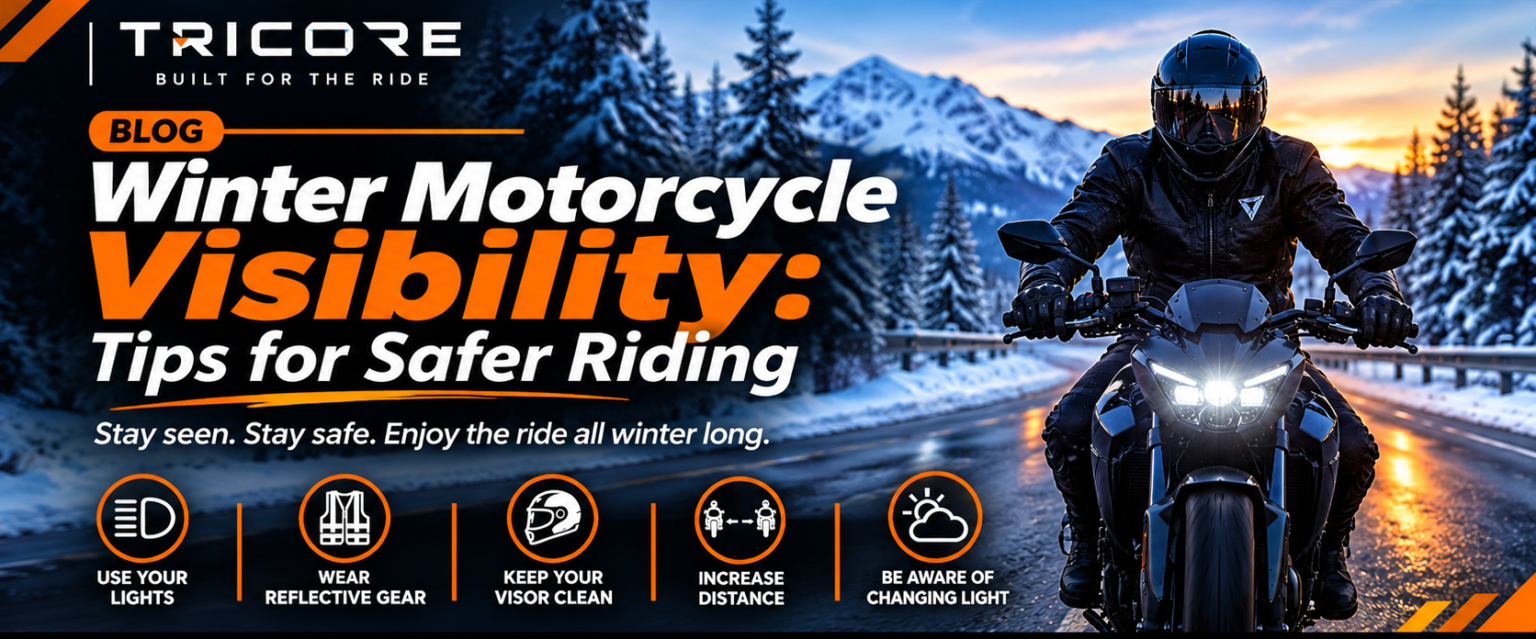
Winter Motorcycle Visibility Tips
Low Winter Sun and Short Days: Visibility Tips for Riders
TL; DR Winter riding brings two visibility problems that work against you at the same time. Low sun can blind you on the way to work, and darkness can make you hard to spot on the way home. For UK commuters, touring riders and all-year riders, winter motorcycle visibility matters from November to February because it affects both what you can see and whether others can see you.
Shorter days mean more time riding at dawn, dusk and after dark. The sun sits low in the sky for much of the day, which causes strong glare on wet roads, dirty visors and windscreens. Drivers who are dazzled or not expecting a motorcycle can easily miss you at a junction.
This guide covers practical motorcycle visibility tips for both problems. We’ll explain how low sun affects riders, why darker commutes raise the risk, how to choose high-visibility and reflective gear, and which visor, lighting and road positioning habits make the biggest difference. You’ll also get a quick checklist, a list of common mistakes and answers to the most-asked questions about winter motorcycle safety UK riders face. For a wider look at protective equipment, see our complete motorcycle gear guide.
01
Understand Low Winter Sun and Road Glare
Low winter sunlight can cause glare and make it difficult to see road hazards, junctions and other vehicles.
02
Stay Visible During Shorter Days
Use your motorcycle headlights and wear high-visibility clothing to remain visible during dark mornings and evenings.
03
Wear Reflective Motorcycle Gear
Choose jackets, trousers and accessories with reflective panels to help drivers spot you in low-light conditions.
04
Choose the Right Motorcycle Helmet Visor
Use a clean, scratch-free clear visor for better visibility. Avoid dark tinted visors when riding in darkness.
WINTER MOTORCYCLE VISIBILITY TIPS
Stay Seen. Stay Safe. Ride with Confidence.
Low winter sun, shorter days and dark commutes can make motorcycle riding more challenging. Learn how to improve visibility with reflective motorcycle gear, clean helmet visors, effective lighting and safer road positioning. Choose the right protective clothing to stay comfortable and visible throughout winter.
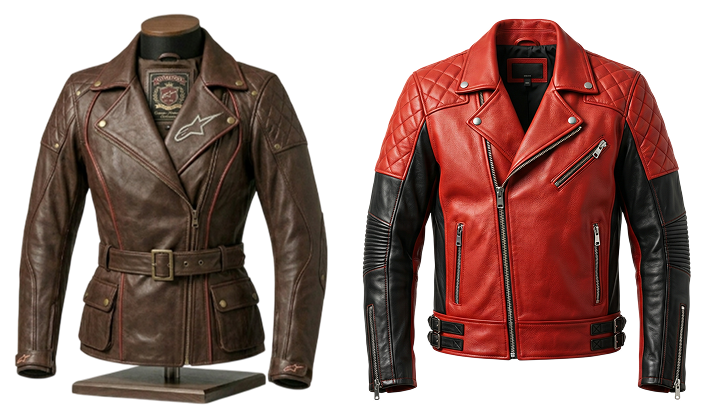
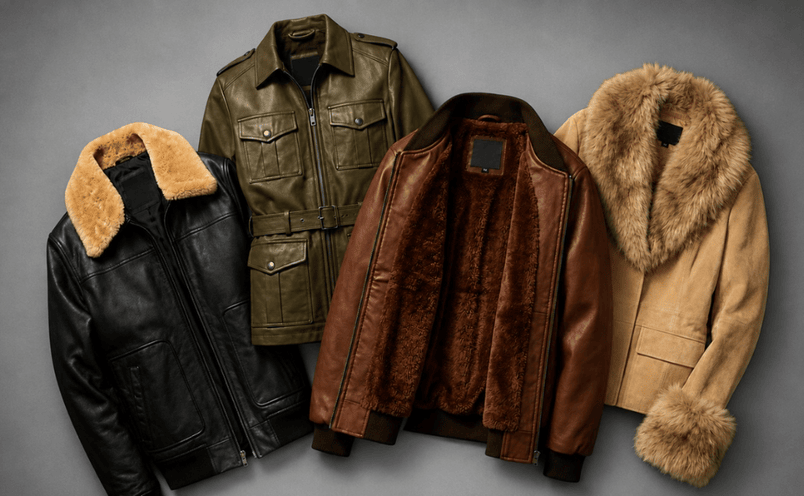
SHOP TRICORE WINTER JACKETS ↗
Low Sun Effects**
How Low Winter Sun Affects Motorcycle Riders
Low winter sun motorcycle riding is one of the most underestimated hazards of the season. In the UK, the winter sun stays low in the sky even at midday. During commuting hours, it often sits right at eye level.
Understanding Low-Angle Sunlight and Road Glare
When the sun is low, light hits your eyes directly instead of from above. Your helmet peak or sun visor may not block it, and even a few seconds of glare can leave you briefly unable to see. During that time, you can travel a long way without a clear view of the road.
Glare affects drivers too. A driver pulling out of a side road with the sun behind you may see only bright light and a dark outline, if they see you at all. That’s why motorcycle sun glare is a two-way problem.
Your visor plays a big part. Dirt, salt film, smeared insects and fine scratches scatter incoming light, so the whole visor can turn milky white when the sun hits it. A visor that looks fine in shade can become almost opaque in low sun.
Maintain Safe Distance and Road Positioning
Increase your following distance, slow down in poor visibility and position yourself where other road users can see you.
Riding in Darkness
Shorter winter days mean more riding at dawn, dusk and after dark. Use working headlights and stay alert around junctions, roundabouts and poorly lit roads.
Keep Your Lights and Visor Clean
Clean your headlights, rear lights and helmet visor regularly to maintain clear vision and maximum visibility.
High-Visibility & Reflective Gear
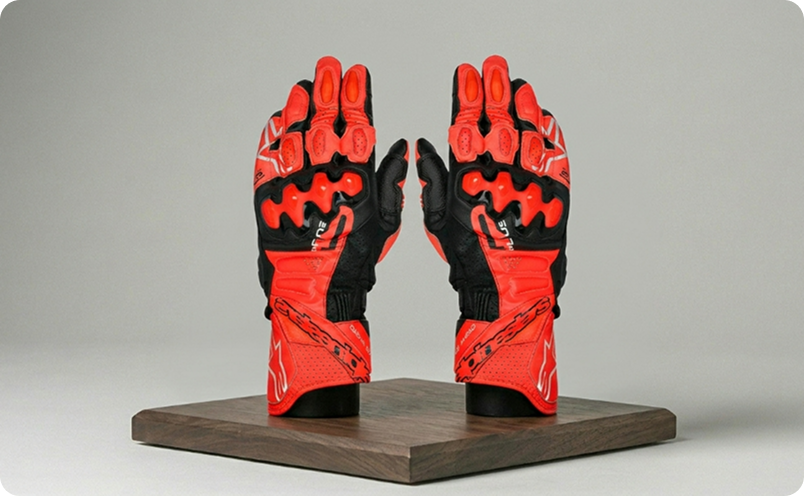
Wear fluorescent clothing during the day and reflective motorcycle jackets, trousers and accessories at night to help drivers spot you.
Low Winter Sun & Glare
Low winter sunlight can affect your vision, especially at junctions and on wet roads. Reduce speed and maintain a safe distance when riding into bright sunlight.
Clear Visors & Safe Riding
Keep your helmet visor clean and scratch-free. Choose a clear, road-legal visor and adjust your riding position to improve visibility and safety.
Winter Visibility Risks
Common Visibility Challenges During Winter
- Sun glare at junctions: Drivers waiting to turn may be looking straight into the sun and fail to spot an approaching bike.
- Shadows and changing light: Tree-lined roads, buildings and hedges create sharp bands of light and shade. Your eyes take time to adjust, and potholes, ice or diesel spills can hide in the dark patches.
- Wet roads and reflections: Damp tarmac acts like a mirror, bouncing sunlight up from below where your visor can’t help.
- Sunrise and sunset: Contrast is poor and colors flatten, which makes judging distance and speed harder for everyone.
How to ride a motorcycle in low winter sun: slow down before you ride into the glare, give yourself more following distance and use the sun’s direction to predict which drivers can’t see you. If the sun is behind you, assume oncoming and emerging drivers are dazzled.
Shorter Days: The Risks of Motorcycle Riding in the Dark
From late October, many riders commute both ways in darkness or half-light. Motorcycle riding in the dark needs a different mindset from summer daytime riding.
Why Darker Mornings and Evenings Increase Riding Risks
In low light, your eyes pick up less detail and less color, and it’s harder to judge distances. Road surface hazards such as wet leaves, frost and gravel become much harder to spot. Rush hour also lines up with darkness in winter, so you’re dealing with more traffic just as visibility drops.
Tiredness adds to the problem. A dark evening ride home after a full working day is exactly when concentration slips.
Driver Awareness Issues
How Drivers May Overlook Motorcyclists
A motorcycle has a narrow outline and a single headlight. At night, it can blend into the background of streetlights, shop signs and car headlights. Drivers often look for car-shaped lights and may misjudge a single beam as further away or slower than it really is.
Drivers can also look directly at you and still not register you. This happens most when they’re scanning quickly for gaps in traffic.
Common Hazards During Low-Light Riding
- Junctions: The classic “sorry, I didn’t see you” crash zone.
- Roundabouts: Drivers focus on cars and miss smaller vehicles.
- Poorly lit rural roads: Unlit bends, mud, animals and unexpected bumps.
- Vehicle blind spots: Vans, lorries and buses have large areas where you simply disappear.
How to improve motorcycle visibility at night: combine working lights, reflective gear and careful positioning. No single measure is enough by itself.
Wear High-Visibility and Reflective Motorcycle Gear
The Highway Code advises motorcyclists to make themselves visible from the front, rear and sides. Official road safety advice is simple: wear fluorescent gear during the day and reflective gear at night. These two materials do different jobs, so it helps to understand the difference.
- Fluorescent materials convert ultraviolet light into visible light, so they look extra bright in daylight, especially on dull, overcast days. They do very little in darkness.
- Reflective materials bounce light back towards its source. When car headlights hit them, they shine back towards the driver. In daylight, they add little.
The best winter setup includes both.
High-Visibility Clothing for Daytime Riding
High visibility motorcycle clothing in yellow, orange or lime stands out against grey skies and wet roads. A bright or white helmet also helps, since your head is often the most visible part of you above traffic. A fluorescent vest over your jacket is a cheap, effective option if your main kit is dark.
Reflective Motorcycle Clothing for Night Riding
Reflective motorcycle gear turns you from a dark shape into a bright outline in headlights. Look for reflective elements that show your size and movement, not just a small logo.
Reflective Details on Jackets, Trousers and Accessories
Placement matters. Reflectives on moving parts, such as arms, lower legs and boots, catch attention because the human eye reacts to motion. Useful areas include:
- Shoulders, back panel and sleeves
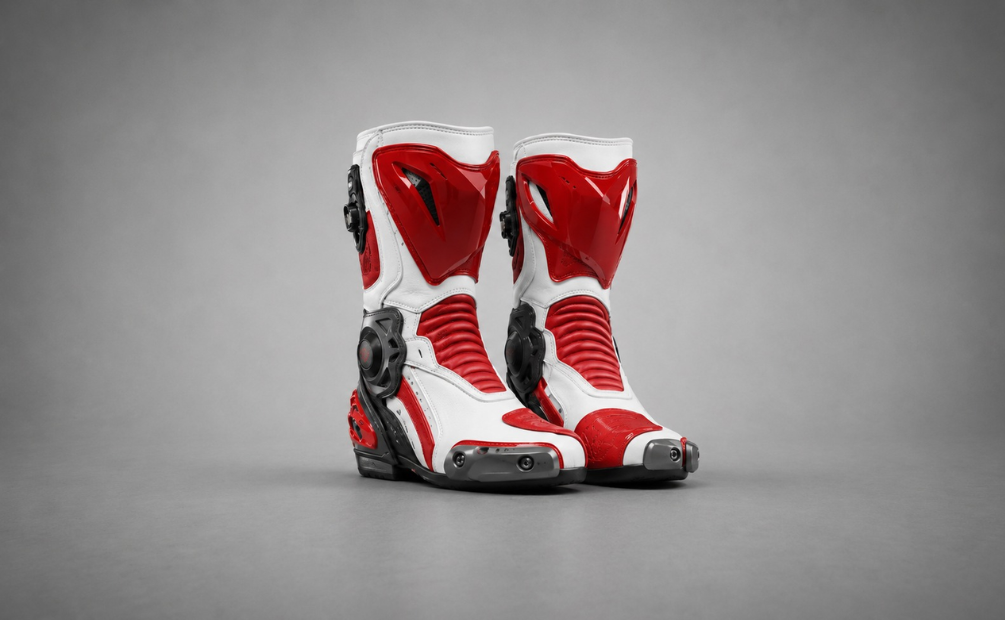
- Lower trouser legs and boot heels
- Gloves, which make your hand signals easier to see
- Helmet stickers, where legal and permitted by the manufacturer
- Rucksack or tail bag covers
Best reflective clothing for motorcycle riders: choose gear with reflective panels or strips across the front, rear and sides rather than just one area. Always check the product description to confirm reflective or high-visibility features before you buy.
Choosing Protective Clothing Without Compromising Comfort
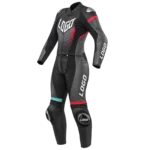
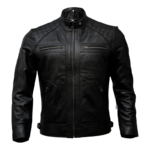
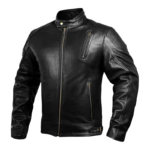
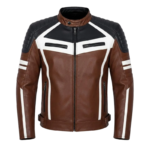
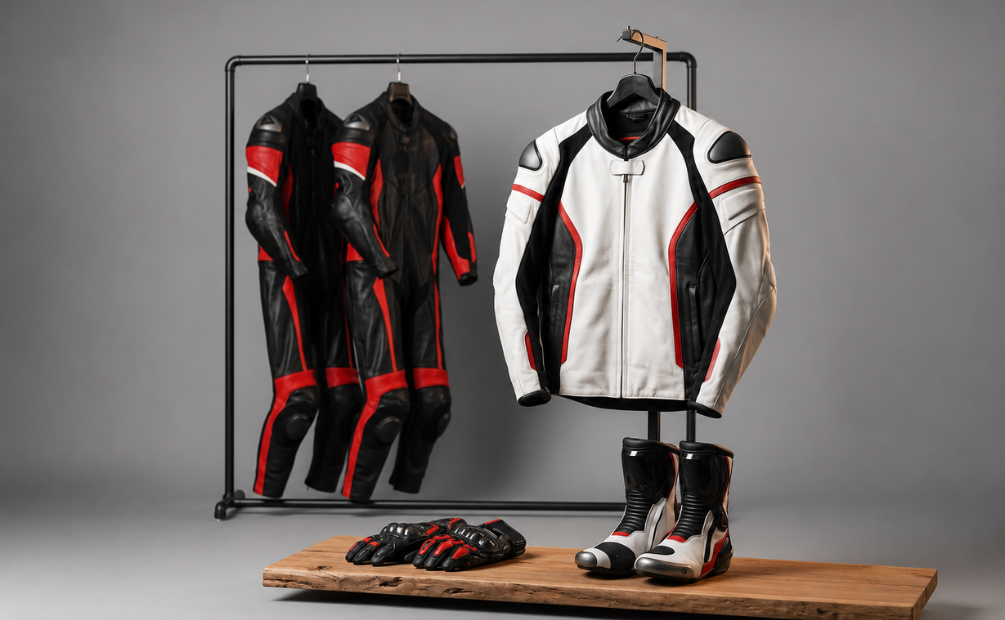
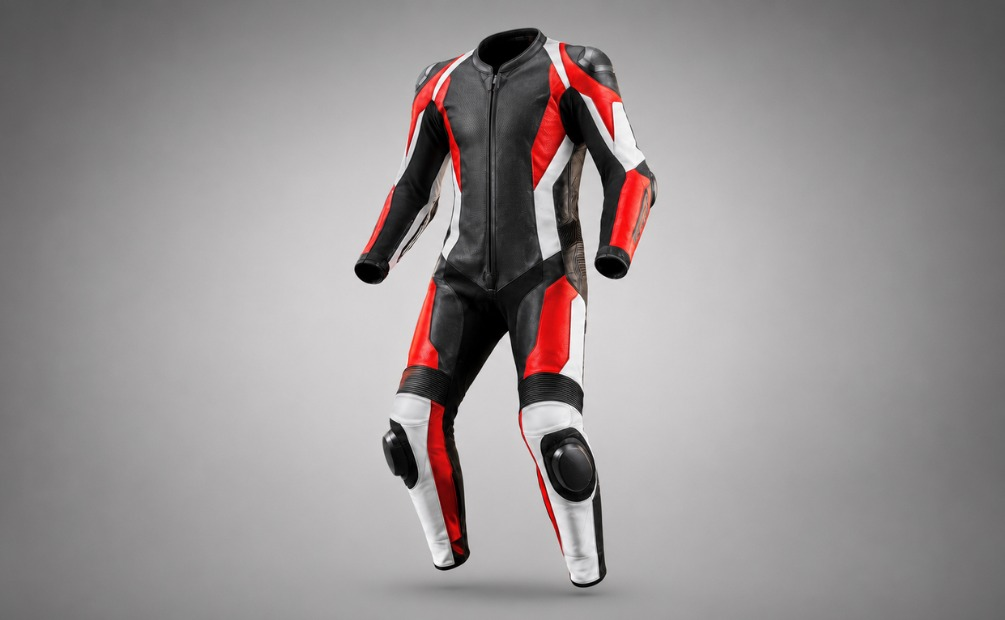
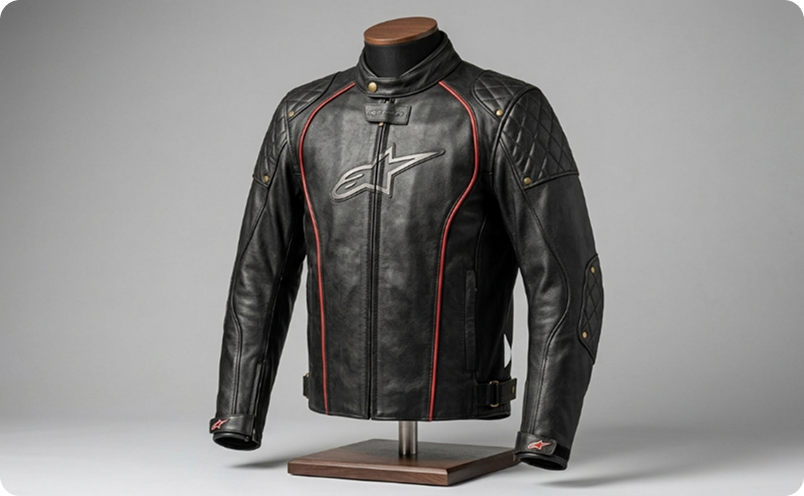
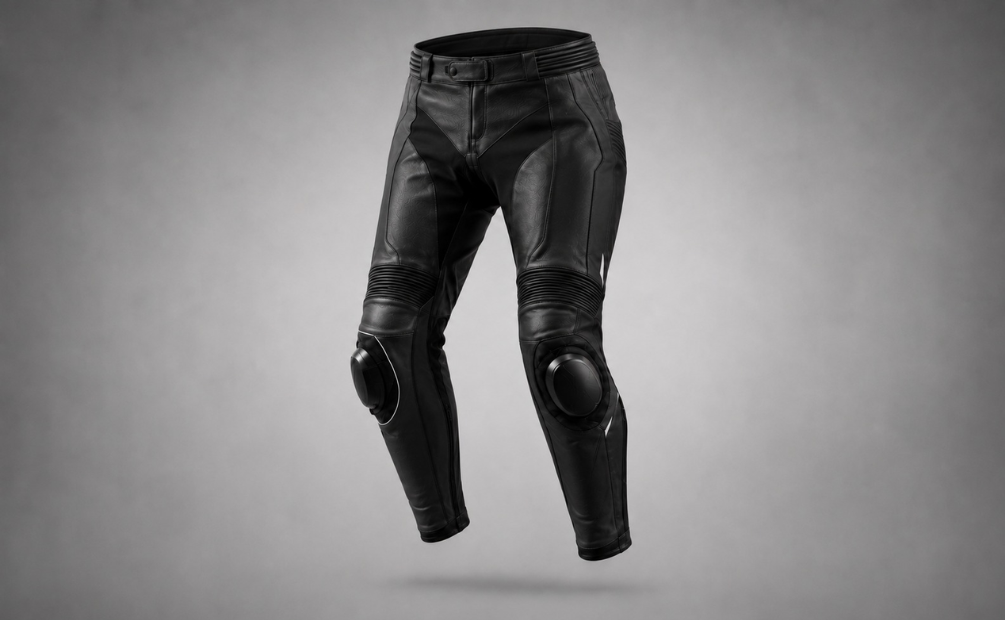
Visibility shouldn’t come at the cost of protection or warmth. Cold, stiff riders react more slowly. Choose armored, abrasion-resistant motorcycle clothing and protective riding gear that fits well over your layers, then add a hi-vis vest or reflective accessories if needed. A well-fitted hi vis motorcycle jacket UK riders can wear all winter is a strong option for daily commuters.
Choose the Right Motorcycle Helmet Visor
Your visor controls everything you see. In winter, it’s your first defense against glare and your biggest weakness if it fogs or gets dirty.
Clear vs Tinted Motorcycle Visors
A clear motorcycle visor is the safest everyday choice for winter because conditions change fast and darkness arrives early. Tinted visors can reduce glare in bright daylight, but UK rules don’t allow tinted visors in darkness or poor light. All visors used on UK roads must meet the relevant British or European/UN safety standard.
Best motorcycle visor for winter: a clear, scratch-free, road-legal visor combined with a drop-down internal sun visor. This gives you glare protection when the sun is low and full clarity when it isn’t. Flip the sun visor up as soon as light fades or you ride into shade or a tunnel.
How to Prevent Visor Fogging
Fogging is a constant problem in cold, damp weather. Try these fixes:
- Fit an anti-fog motorcycle visor insert, such as a Pinlock-style insert, if your helmet supports one.
- Use a breath guard and chin curtain.
- Open the helmet vents.
- Crack the visor slightly at low speeds, only when safe to do so.
Cleaning and Maintaining Your Visor
Good motorcycle visor maintenance reduces motorcycle visor glare more than anything else. Clean your visor before every ride with warm water, a mild cleaner made for visors and a soft microfiber cloth. Avoid household glass cleaners and paper towels, which can damage coatings and leave scratches.
Why Scratched Visors Should Be Replaced
Scratches scatter light. In low sun or oncoming headlights, a scratched visor creates starbursts and haze that can blind you. If polishing doesn’t fix it, replace it.
How to prevent motorcycle visor glare: keep it spotless, replace it when scratched, use an internal sun visor in daylight and adjust your speed when the sun is directly ahead.
Check Your Motorcycle Lights and Lighting System
Strong motorcycle lights visibility helps you see and be seen. Winter grime and cold weather are hard on electrics, so make motorcycle headlight checks part of every ride.
Check Headlights and Dipped Beams
Check that both dipped and main beams work and that the headlight is aimed correctly. A low beam misses hazards, while a high one dazzles other road users. Use dipped headlights during the day to make yourself easier to spot.
Keep Rear Lights and Indicators Working
-
Check your tail light, brake light, which is triggered by both the front and rear brake, number plate light and all four indicators. A failed brake light on a dark, wet evening invites a rear-end crash.
Clean Lights and Reflective Surfaces
Road salt and spray can noticeably dim your lights within a single commute. Wipe your headlight, tail light, indicators and reflectors regularly. Clean your mirrors too.
Understand Legal Motorcycle Lighting Requirements
UK law requires working lights, indicators and reflectors in good condition. Use main beam only when it won’t dazzle oncoming traffic or drivers ahead. Any aftermarket lighting must be road legal and fitted correctly. Good motorcycle lighting safety means being visible without blinding anyone.
Improve Your Road Positioning and Riding Awareness
Gear and lights help, but motorcycle road positioning and defensive habits are what keep you out of trouble.
Position Yourself Where Other Drivers Can See You
Choose a road position that keeps you in drivers’ mirrors and gives emerging traffic a clear view of you. Avoid staying directly behind large vehicles, where you vanish. Move to improve your view, but never at the cost of safety margins.
Maintain Safe Distances from Other Vehicles
Double your usual gap in wet or icy conditions. Extra space gives you time to react if spray or glare suddenly cuts your vision.
Use Mirrors and Lifesaver Checks
Use your mirrors often, and add a lifesaver glance over your shoulder before changing lanes or turning. Motorcycle blind spots work both ways, so look for gap’s drivers might move into.
Be Extra Cautious at Junctions and Roundabouts
Assume you haven’t been seen. Cover your brakes, watch drivers’ wheels and head, and be ready to stop. This is the core of defensive motorcycle riding.
Adjust Speed to Changing Visibility Conditions
Ride at a speed that lets you stop within the distance you can see to be clear. When glare, fog or darkness shrink that distance, slow down.
Practical Winter Motorcycle Visibility Checklist
Run through this before every winter ride:
- ✅ Clean your helmet visor and mirrors
- ✅ Check headlights, rear lights and indicators
- ✅ Wear suitable high-visibility or reflective clothing
- ✅ Check the weather and road conditions before you set off
- ✅ Keep a safe following distance
- ✅ Reduce speed when glare or visibility is poor
- ✅ Avoid riding when conditions become unsafe
Staying warm keeps you alert, so pair this checklist with our guide to winter motorcycle clothing and layering.
Common Winter Visibility Mistakes Riders Should Avoid
Wearing dark clothing with no reflective details. All-black kit disappears at night.
Riding with a scratched or dirty visor. It becomes a glare screen in low sun.
Using a tinted visor in darkness. It’s unsafe and not allowed under UK rules.
Ignoring faulty or dirty lights. One blown bulb can make you invisible from behind.
Assuming other drivers have seen you. Eye contact doesn’t guarantee they have.
Riding too fast for the conditions. Your speed should match your sight line.
Ignoring fog, frost, rain and glare. Winter conditions change quickly, so be ready to adjust or delay your ride.
Final Thoughts: Stay Visible, Stay Protected and Ride Smart
Good winter motorcycle visibility depends on three things working together:
- The right gear: fluorescent kit for daylight, reflective details for darkness and protective clothing that keeps you warm.
- A well-maintained bike: clean, working lights and a clear, scratch-free visor.
- Defensive riding: smart positioning, larger gaps and speed matched to what you can see.
Make these habits part of every ride and dark commutes and low sun become much easier to manage. When you’re ready to upgrade your kit for the season, explore TriCore’s range of motorcycle clothing and protective riding gear and find gear that suits the way you ride this winter.
best for winter riding
Frequently Asked Questions (FAQ)
1.How can motorcyclists stay visible during winter?
Wear fluorescent clothing in daylight and reflective gear after dark. Keep your lights and visor clean, ride with dipped headlights and choose road positions where drivers can see you.
2.What should motorcyclists wear to improve visibility at night?
Wear gear with reflective panels or strips on the arms, back, legs and boots. Reflective details on moving body parts help drivers notice you in their headlights.
3.Is high-visibility clothing necessary for motorcycle riders?
It isn’t a legal requirement in the UK, but the Highway Code recommends it. Fluorescent and reflective gear can make you much easier to spot, especially in winter.
4.How does low winter sun affect motorcycle visibility?
Low sun shines at eye level and causes strong glare, especially through dirty visors and off wet roads. It can briefly blind riders and stop drivers from seeing approaching motorcycles.
5.Which motorcycle visor is best for winter riding?
A clear, scratch-free, road-legal visor with an anti-fog insert works best. Add a drop-down internal sun visor for low sun, but never use a tinted visor in darkness or poor light.